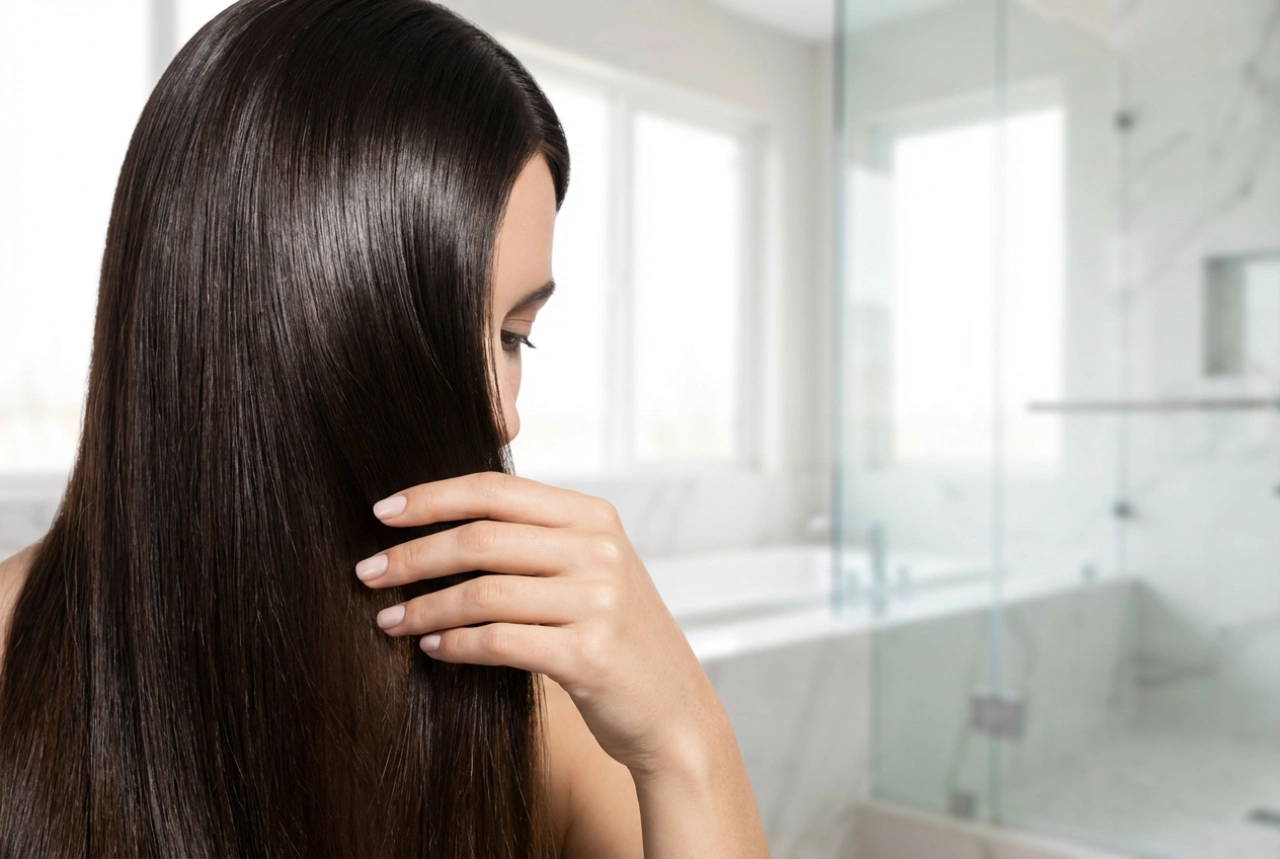


In the quest for healthy, lustrous locks, our daily hair care routine plays a pivotal role. Often, we find ourselves looking at minimalist, elegant bottles of hair products, hoping for a simple yet highly effective solution to restore our hair's natural vitality. This is where repair shampoos enter the scene. Designed not just to cleanse, but to actively support the regeneration of damaged hair fibres, these specialised formulations offer a dual-action approach to hair care. Understanding how they work and when to incorporate them into your routine can transform dry, tired strands into a picture of health and beauty.
Understanding the Role of a Repair Shampoo
A standard shampoo is primarily designed to remove sebum, dust, and styling product build-up from the scalp and hair. However, when hair is compromised by daily stressors, standard cleansing can sometimes strip away essential moisture. A repair shampoo, or regenerating shampoo, is formulated with a milder cleansing base and enriched with restructuring agents. It aims to cleanse the scalp gently while simultaneously delivering active nutrients to the hair shaft.
These products work by temporarily filling in the micro-gaps along the damaged outer cuticle of the hair. While a shampoo cannot permanently alter the biological structure of dead hair tissue, it can significantly improve the elasticity, smoothness, and overall resilience of the strands. By coating the hair in a protective veil, it minimises further friction during washing and subsequent styling, making it an essential first step in any restorative hair care programme.
When to Choose a Regenerating Formulation
It can be tempting to use heavy, repairing products all the time, but they are most beneficial under specific circumstances. Knowing when your hair truly needs this level of care is key to maintaining a balanced routine. Consider incorporating a repair shampoo into your regimen if you notice the following signs:
- Mechanical Damage: Frequent use of heated styling tools such as straighteners, curling tongs, and hair dryers can weaken the protein bonds within the hair, leading to split ends and breakage.
- Chemical Processing: If you regularly colour, bleach, or chemically perm your hair, the structural integrity of the outer cuticle is altered. Repair shampoos help to seal the cuticle, preserving both hair strength and colour vibrancy.
- Environmental Exposure: Prolonged exposure to intense sunlight, wind, salt water, or chlorinated pools can deplete the hair's natural moisture barrier, leaving it feeling rough and straw-like.
- Physical Dullness and Frizz: When hair loses its natural shine and becomes increasingly prone to static and tangles, it is often a sign that the protective lipid layer needs support.
Key Ingredients for Structural Support
When selecting a repair shampoo, looking at the ingredient profile is highly beneficial. Effective formulations rely on a combination of proteins, lipids, and hydrating agents to restore the appearance of healthy hair. Here are some of the most common and effective components to look for in non-medical, cosmetic shampoos:
Plant-Based Proteins
Hydrolysed wheat, soy, or oat proteins are highly valued in hair care. Because these proteins are broken down into smaller molecules, they can easily attach to the damaged areas of the hair shaft, temporarily strengthening the structure and improving moisture retention.
Natural Oils and Lipids
Oils such as argan oil, sweet almond oil, and shea butter mimic the hair's natural lipid barrier. They help to smooth the cuticle layer, lock in hydration, and add a natural-looking shine without weighing down the hair when used in balanced shampoo formulations.
Panthenol (Provitamin B5)
This classic beauty ingredient is known for its exceptional humectant properties. It penetrates the hair shaft, drawing in moisture and keeping the strands flexible and less prone to snapping during brushing.
How to Maximise the Benefits of Your Repair Shampoo
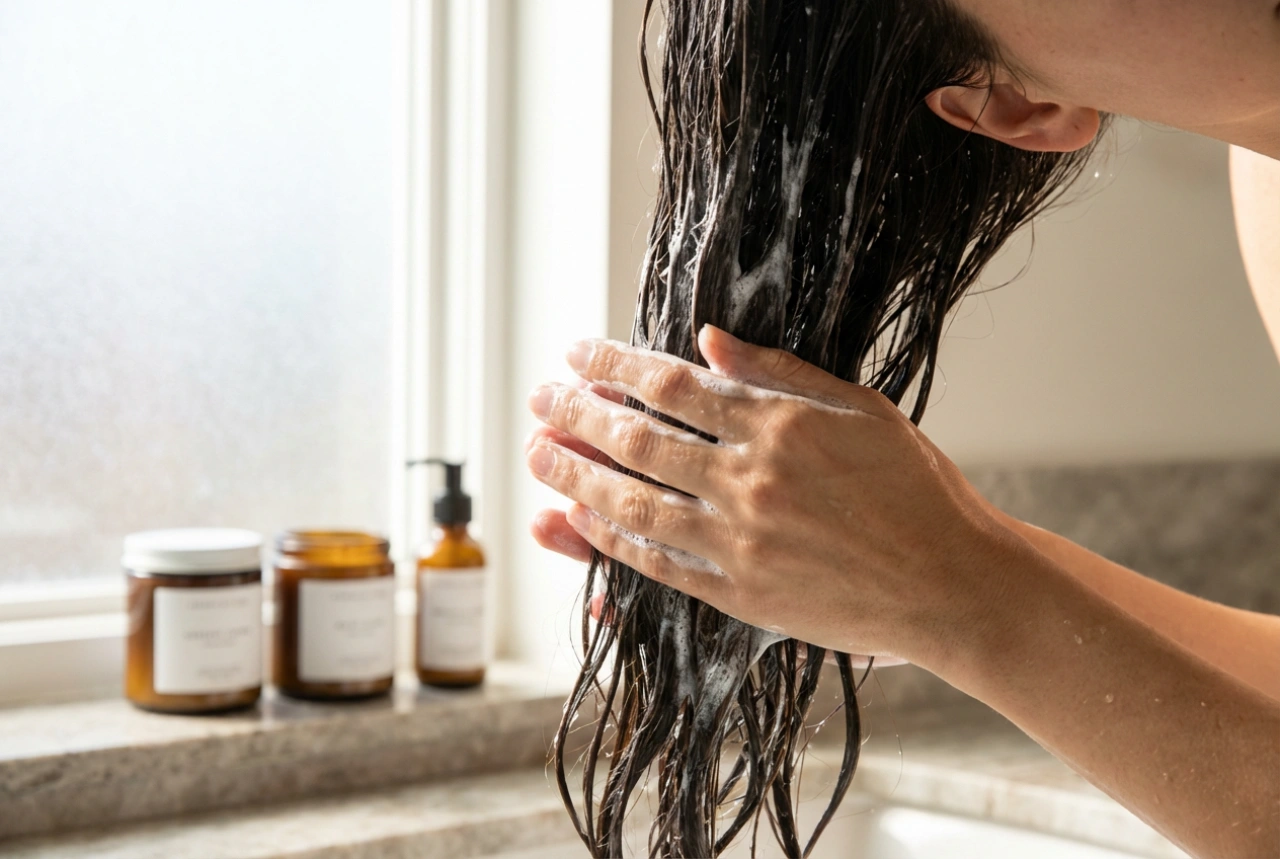
To get the most out of a regenerating wash, your technique is just as important as the product itself. Start by thoroughly wetting your hair with lukewarm water—hot water can further dry out damaged strands. Apply a small amount of the shampoo primarily to the scalp, gently massaging it with your fingertips to stimulate circulation and cleanse the roots.
As you rinse, allow the lather to flow naturally down the lengths of your hair. This is usually sufficient to clean the delicate ends without subjecting them to excessive friction. For optimal results, always follow up with a matching conditioner or a nourishing hair mask to seal in the moisture. Creating a calm, mindful washing routine under gentle light can turn a simple chore into a refreshing, spa-like experience at home, leaving your hair looking visibly revitalised and beautifully soft.