

Thick toenails can be challenging to manage, often feeling tough and difficult to cut neatly with standard tools. Attempting to trim them without the right approach can lead to splintering, cracking, or jagged edges. However, with the correct preparation and technique, you can safely and effectively care for your toenails at home, ensuring they remain neat and comfortable. This guide will walk you through a simple, gentle process for trimming even the most stubborn toenails.
Preparation: The Key to a Clean Cut
The single most important step before trimming thick nails is to soften them. Hard, brittle nails are prone to breaking and splitting when pressure is applied. Softening the nail plate makes it more pliable and much easier to cut through cleanly. This simple preparation significantly reduces the risk of damaging the nail or surrounding skin.
How to Soften Your Toenails
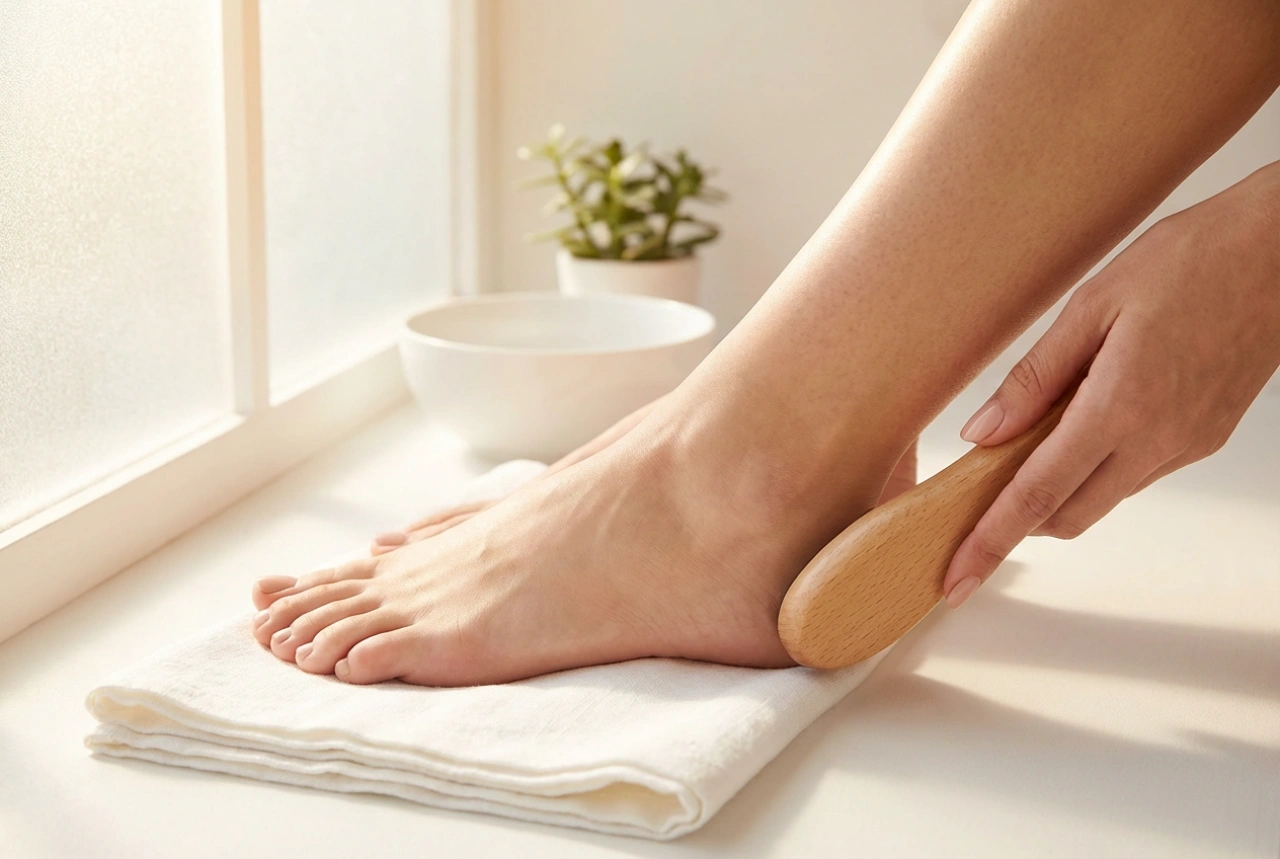
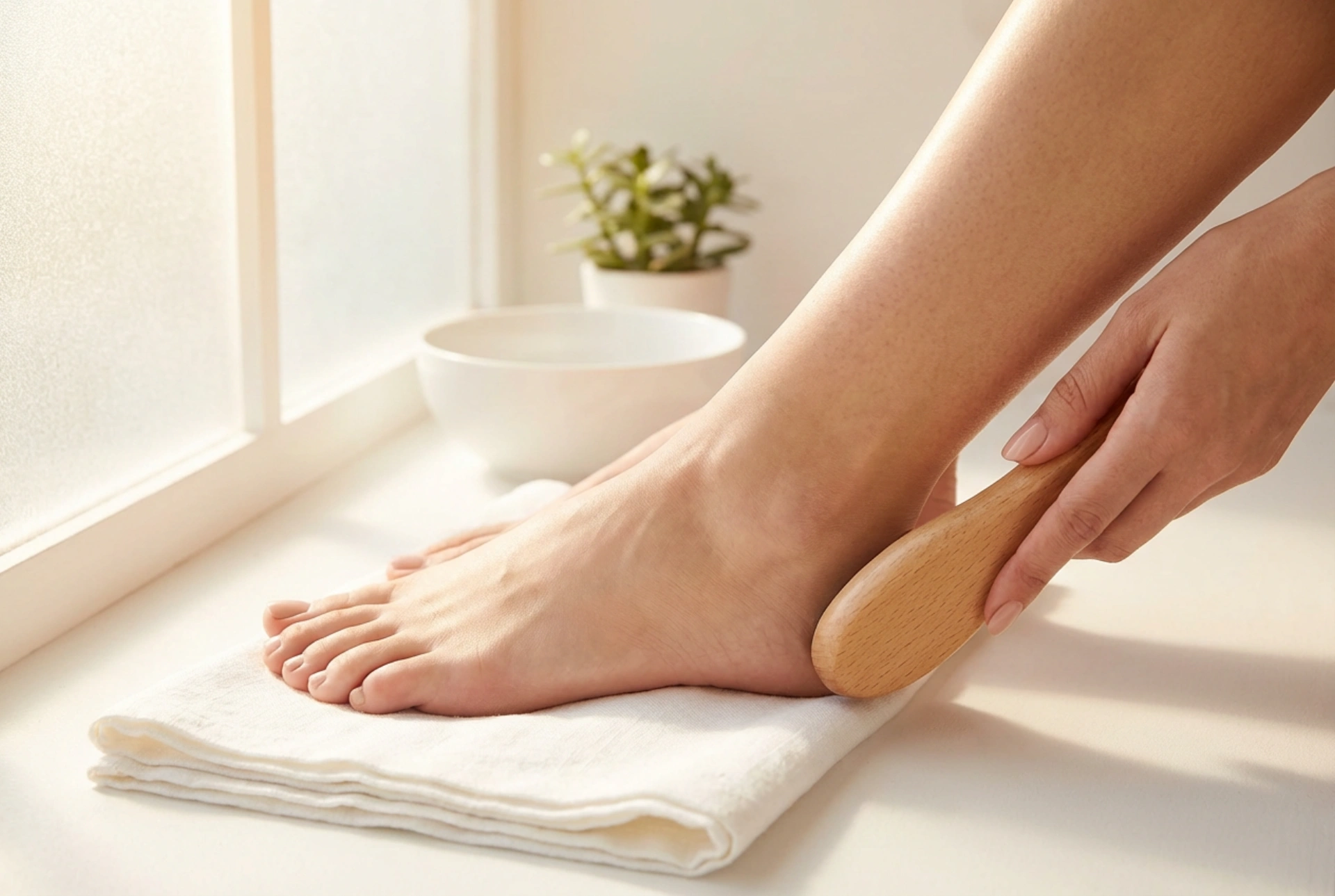
The most effective way to soften your nails is with a warm water soak. Fill a basin or your bathtub with enough warm water to comfortably cover your feet. The water should be pleasantly warm, not hot. You can add a mild, moisturising soap or a handful of Epsom salts if you wish, but plain water works perfectly well. Soak your feet for at least 15 to 30 minutes. The longer you soak, the softer and more manageable your nails will become. After soaking, pat your feet and nails completely dry with a clean towel before you begin trimming.
The Correct Trimming Technique
Once your nails are soft and dry, you can proceed with trimming. Using the right tool and a methodical technique is crucial for achieving a clean, safe result.
Choosing Your Tool
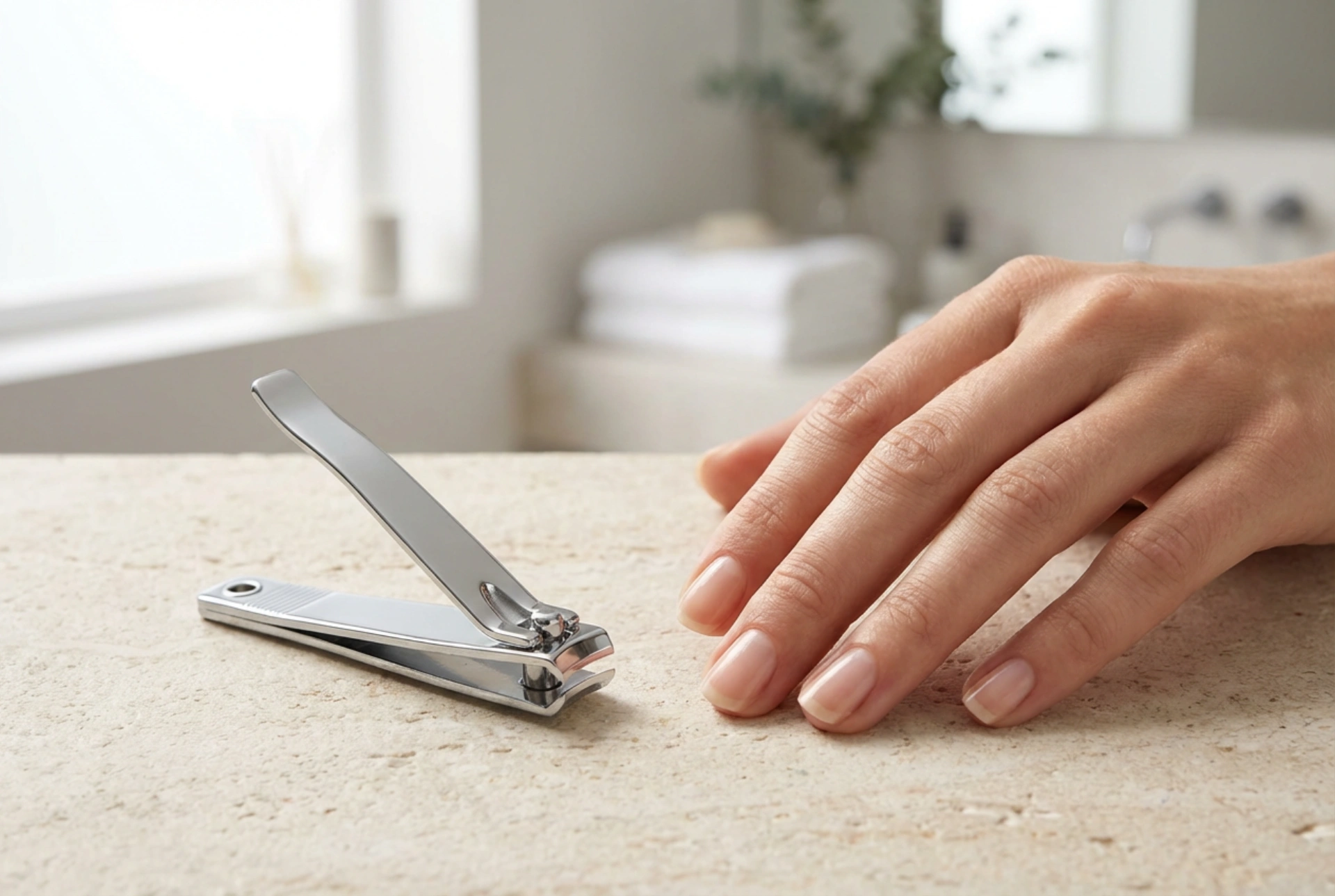
For thick toenails, a standard fingernail clipper is often inadequate. You need a sturdy, heavy-duty toenail clipper, preferably one with a straight or very slightly curved cutting edge. Look for a tool made from high-quality stainless steel that provides good leverage, allowing you to make a controlled cut without excessive force. Ensure the blades are sharp, as dull clippers can crush the nail rather than cut it.
Step-by-Step Trimming Process
Patience is key. Instead of trying to cut the entire nail tip in one go, which can put immense pressure on the nail, use a series of small, careful snips.
- Start at one corner of the toenail and make a small, straight cut.
- Move the clippers along the nail's free edge, making another small cut next to the first one.
- Continue this process, working your way across the entire nail until you reach the other corner.
This method allows you to shape the nail gradually and maintain control, preventing accidental cracks. Aim to cut the nail straight across. While a very slight rounding at the edges is acceptable to prevent sharpness, avoid cutting deep into the corners, as this can encourage the nail to grow into the skin.
Finishing Touches and Aftercare
Trimming is only part of the process. Proper finishing and aftercare will leave your nails smooth and the surrounding skin hydrated.
Smoothing the Edges
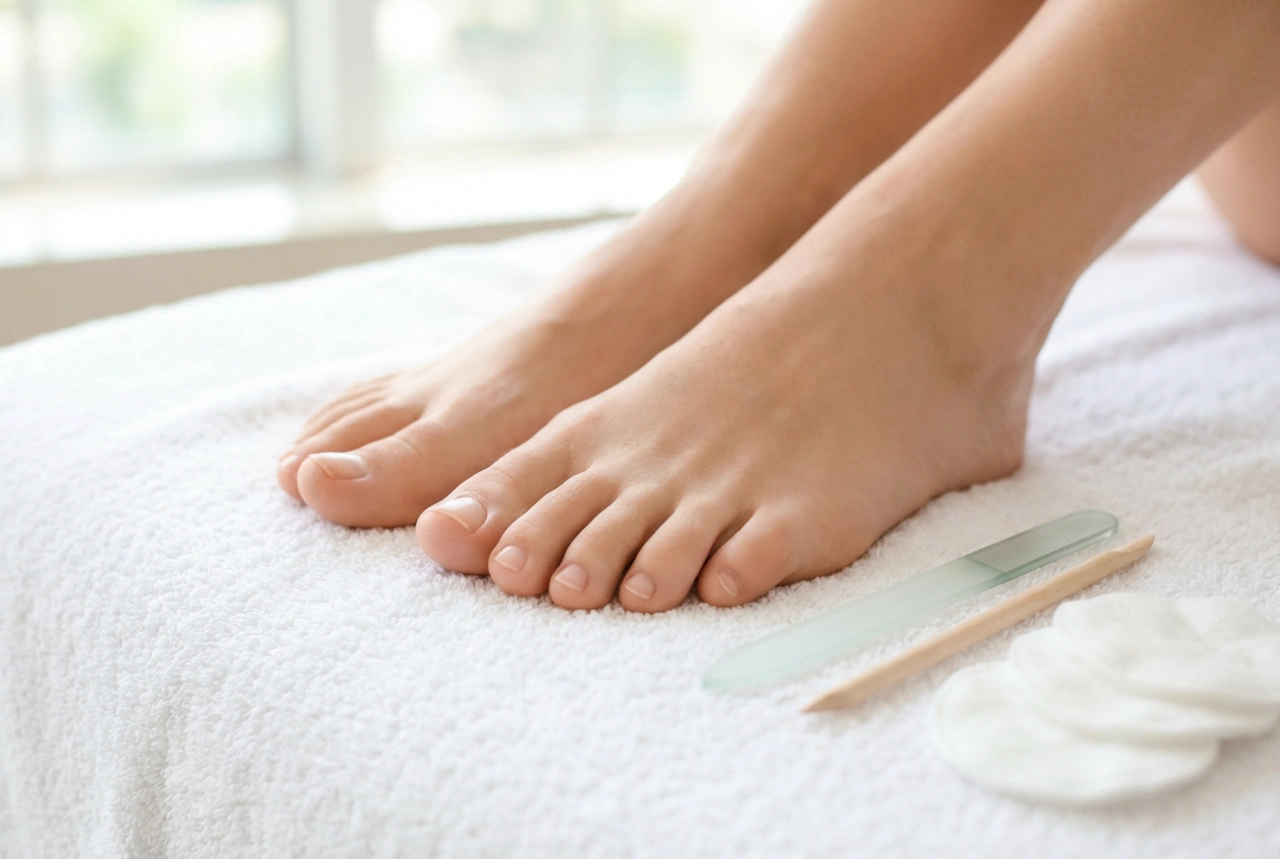
After clipping, the nail edge may feel a little sharp or uneven. Use a nail file to gently smooth it out. A glass or crystal nail file is an excellent choice as it is gentle yet effective. File in one direction, from the side towards the centre, rather than sawing back and forth, which can weaken the nail. This will prevent the nail from snagging on socks or hosiery.
Moisturising
Finish your routine by applying a moisturising foot cream or a nourishing cuticle oil to your toenails and the skin around them. Massage it in gently. This simple step helps to rehydrate the nail plate after soaking and keeps the skin soft and healthy, contributing to the overall well-being of your feet.
Common Mistakes to Avoid
To ensure your home pedicure is both safe and effective, be mindful of these common errors:
- Cutting nails when they are dry: This is the most frequent cause of splitting and cracking. Always take the time to soak and soften them first.
- Using the wrong tool: Small clippers or scissors lack the strength and stability needed for thick nails and can lead to a messy, uncontrolled cut.
- Trimming in one single clip: This puts too much stress on the nail plate and can cause it to shatter or break into the nail bed.
- Cutting the nail too short: Trimming too close to the skin can cause discomfort and leave the sensitive nail bed exposed. Leave a small amount of white free edge.
- Aggressively rounding the corners: Cutting down the sides in a deep curve is a common cause of ingrown toenails. A straight-across cut is the safest shape.