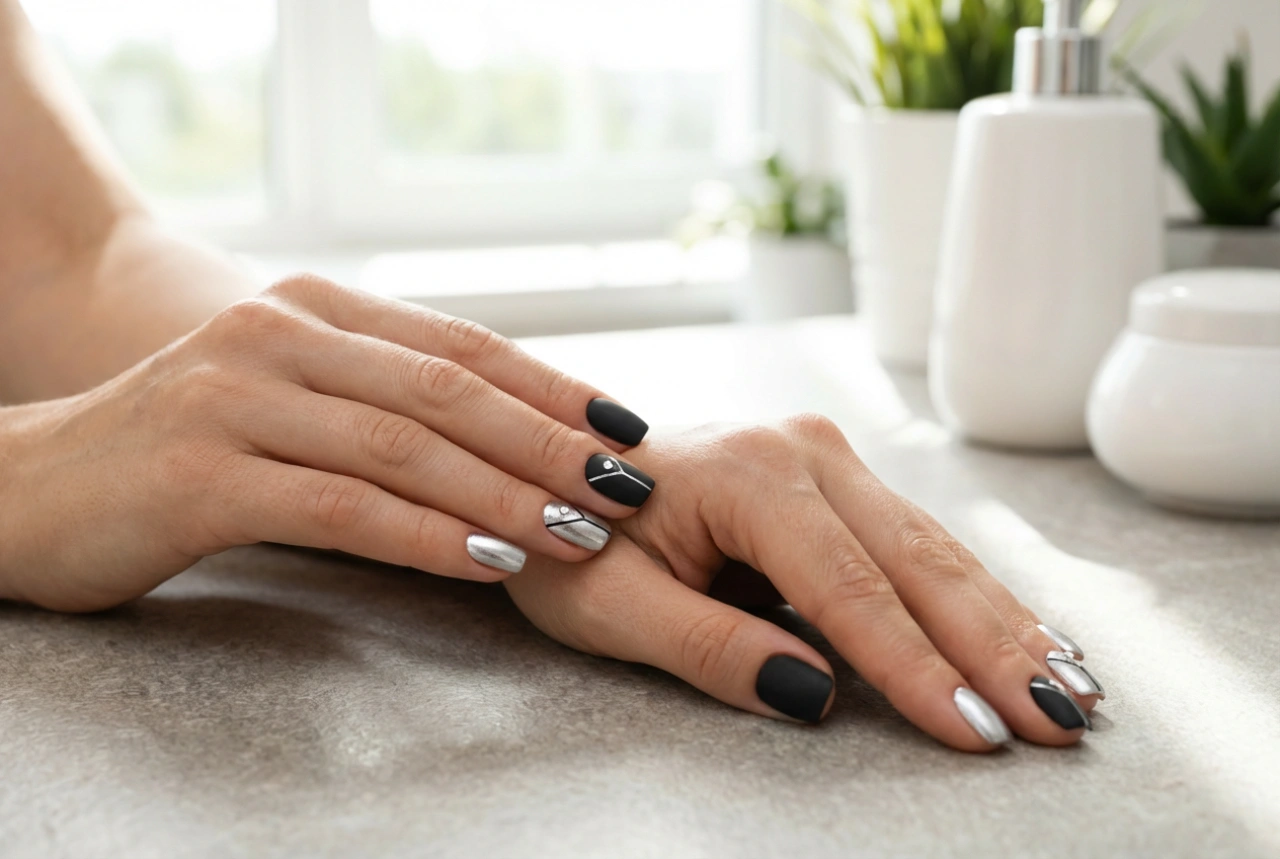


Long-lasting manicures have become a staple in modern beauty routines, offering weeks of chip-free, glossy colour. The two leading choices in this category are hybrid and gel nails. While both are cured under a UV or LED lamp to achieve their impressive durability, they are not the same. Understanding their unique characteristics in terms of appearance, thickness, and longevity is key to choosing the manicure that best suits your nails and lifestyle. This guide will walk you through the essential differences to help you make an informed decision.
What Are Hybrid Nails?
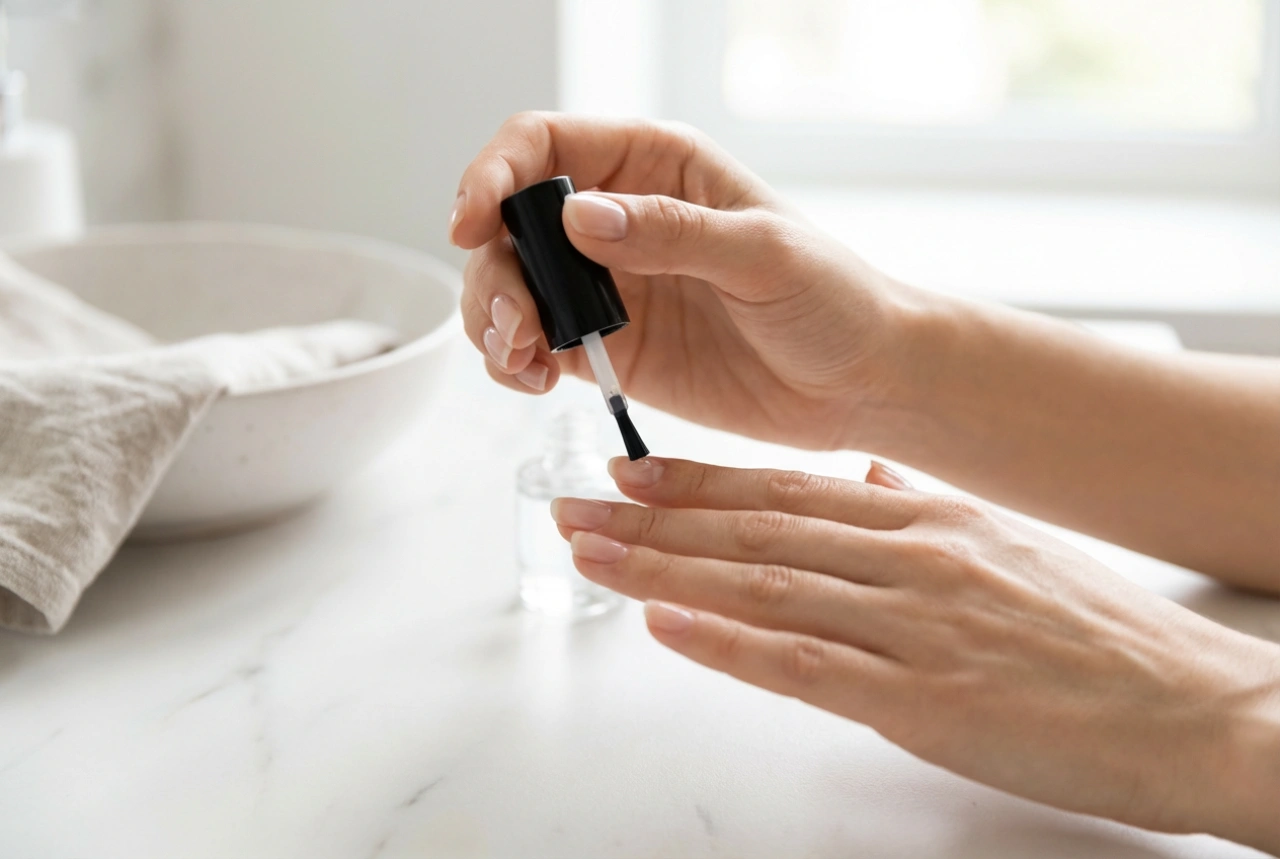
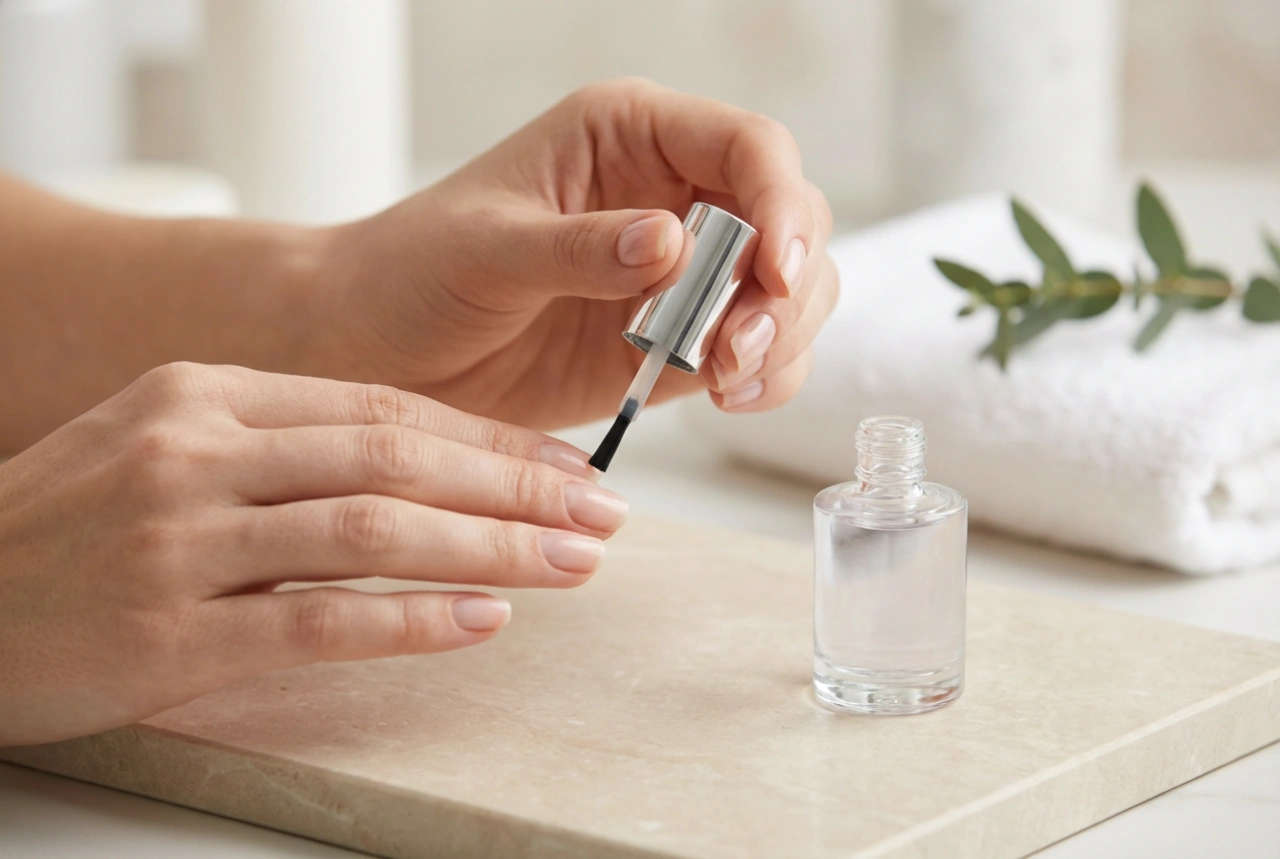
A hybrid manicure uses a product that is a blend of traditional nail polish and gel. It's often referred to as a 'soft gel' or 'gel polish'. It is applied in thin coats, just like regular polish, but each layer—base coat, colour coats, and top coat—is cured under a lamp for a short period, typically 30 to 120 seconds. This curing process is what gives it its strength and instant-dry finish.
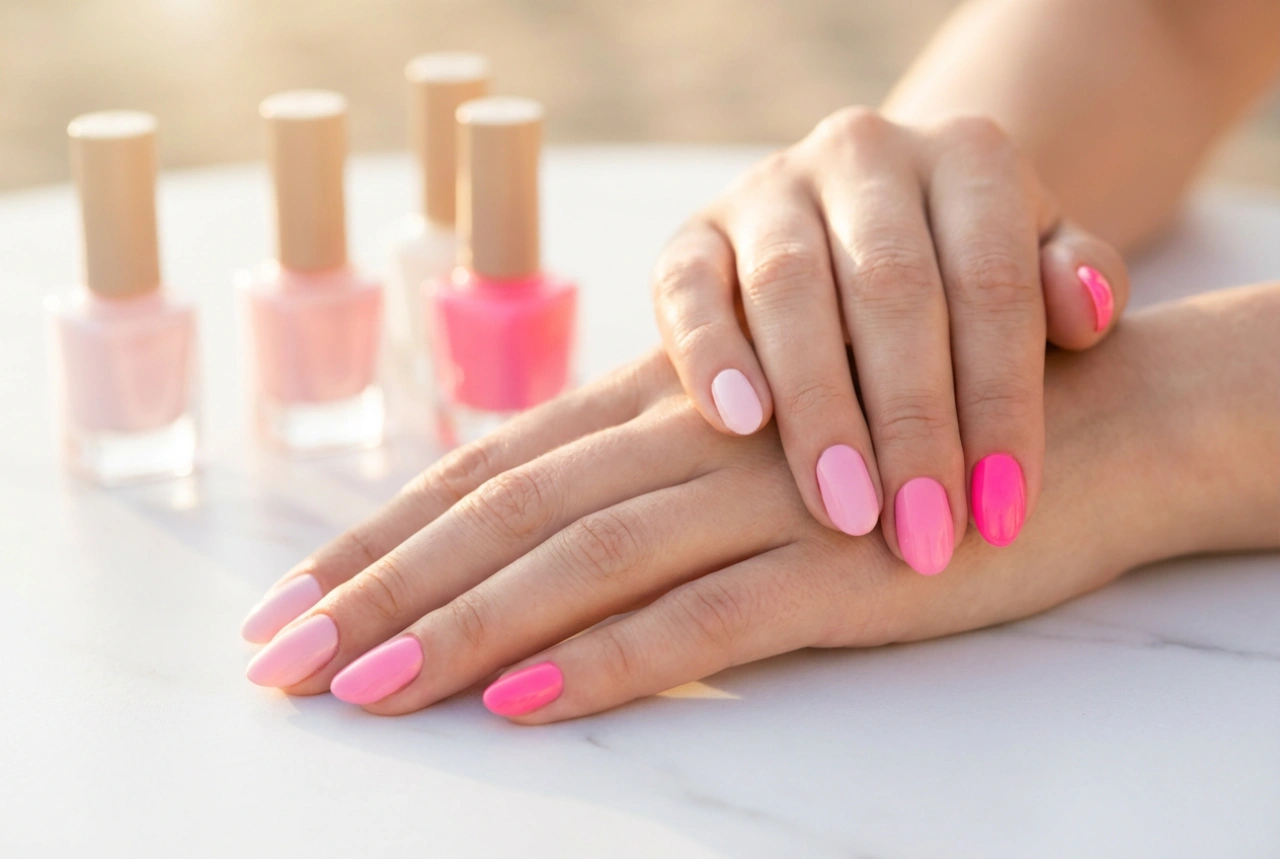
The primary appeal of a hybrid manicure lies in its natural look. Because the polish is applied in thin layers, the final result is not bulky. It enhances the natural nail without adding significant thickness, offering a sleek and elegant finish. It feels lightweight and flexible on the nails.
- Look: Natural, glossy, and thin. Closely resembles a perfect traditional manicure.
- Durability: Typically lasts for two to three weeks without chipping or peeling, depending on your nail type and daily activities.
- Application: Relatively quick process. The nail is prepped, and then the base, colour, and top coats are applied and cured sequentially.
- Best for: Individuals with reasonably strong natural nails who want a durable, long-lasting colour without adding thickness or length.
Understanding Gel Nails
Gel nails, sometimes called 'hard gels' or 'builder gels', are a different type of product altogether. The gel has a much thicker, more viscous consistency and is used to build, sculpt, and add strength to the nail. It can be applied over the natural nail as an overlay for reinforcement, or it can be used with nail forms or tips to create extensions, adding length and creating a desired shape like almond, stiletto, or coffin.
During application, a skilled technician manipulates the gel on the nail to create the perfect structure and arch before curing it under a lamp. Because of its thickness and strength, a gel manicure can feel more robust and rigid than a hybrid one. The finish is exceptionally glossy and durable, providing a solid shield for the natural nail underneath.
- Look: Can be thicker than hybrid nails, but provides a flawless, high-gloss surface. Essential for creating nail extensions.
- Durability: Very strong and rigid. It's highly resistant to chipping and can last for three to four weeks or even longer, with fill-ins recommended as the natural nail grows out.
- Application: A more complex and time-consuming process that requires skill, especially for sculpting extensions.
- Best for: Those who want to add length or change their nail shape, or individuals with weaker, more brittle nails who need extra structural support.
Key Differences at a Glance
Choosing between hybrid and gel comes down to weighing their pros and cons against your personal needs. Here is a direct comparison of their most important features:
1. Thickness and Appearance
The most noticeable difference is the thickness. Hybrid polish offers a very thin, natural-looking coating. Gel, on the other hand, creates a thicker, more pronounced layer, which is necessary for its function as a builder and strengthener. While a well-done gel overlay can still look elegant, it will have more substance and structure than a hybrid manicure.
2. Flexibility vs. Rigidity
Hybrid polish remains somewhat flexible after curing, which allows it to move with the natural nail. This can prevent it from cracking under slight pressure. Gel is much harder and more rigid. This rigidity is what makes it so effective for protecting weak nails and for building extensions, as it holds its shape perfectly.
3. Durability and Purpose
While both are durable, gel generally wins for sheer strength and longevity. Its hard structure is less prone to damage from daily wear and tear. This makes it ideal for anyone who is very hard on their hands or needs their manicure to last as long as possible. Hybrid polish is durable enough for most people but might not provide enough protection for very weak or bendy nails.
4. The Removal Process
This is a critical distinction for nail health. A hybrid manicure is typically removed by soaking. The top coat is gently filed to break the seal, and then the nails are wrapped in cotton pads soaked in a special remover solution. After 10-15 minutes, the polish softens and can be gently pushed off. Gel nails, especially hard gels, usually need to be filed off. This process must be done carefully to avoid filing into the natural nail plate. While some builder gels are soak-off, many traditional hard gels are not, making professional removal highly recommended.
Which Manicure Is Right for You?
Ultimately, the best choice is a personal one. Consider the following points to decide:
- Choose hybrid nails if: You have healthy, strong nails, you prefer a more natural and lightweight feel, you don't want to add length, and you value a simpler, soak-off removal process.
- Choose gel nails if: You want to add length and shape with extensions, you have weak or brittle nails that need reinforcement, you desire maximum durability and chip-resistance, and you don't mind the thicker profile or more involved removal.
Both manicure types can deliver beautiful, long-lasting results when applied and removed correctly. The key is to understand what your nails need and what final look you hope to achieve.