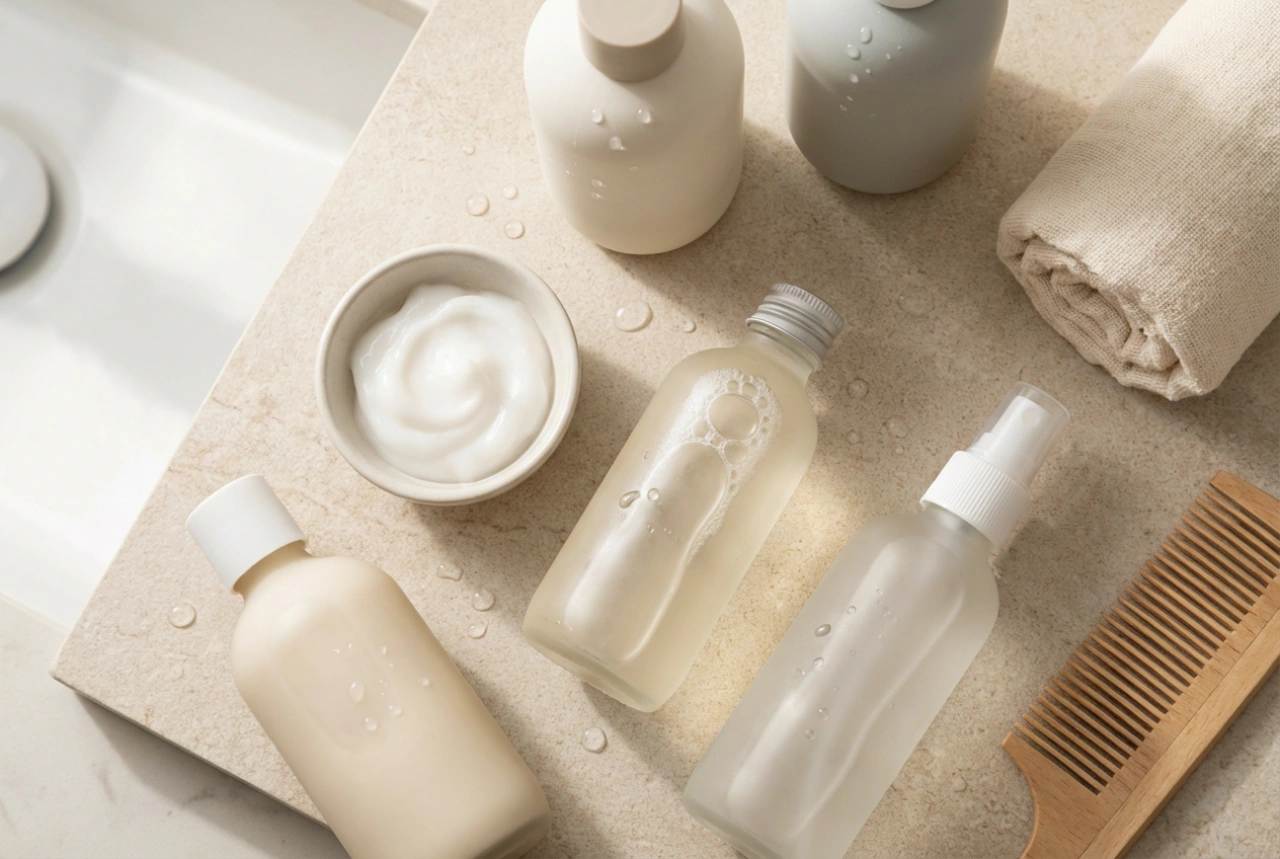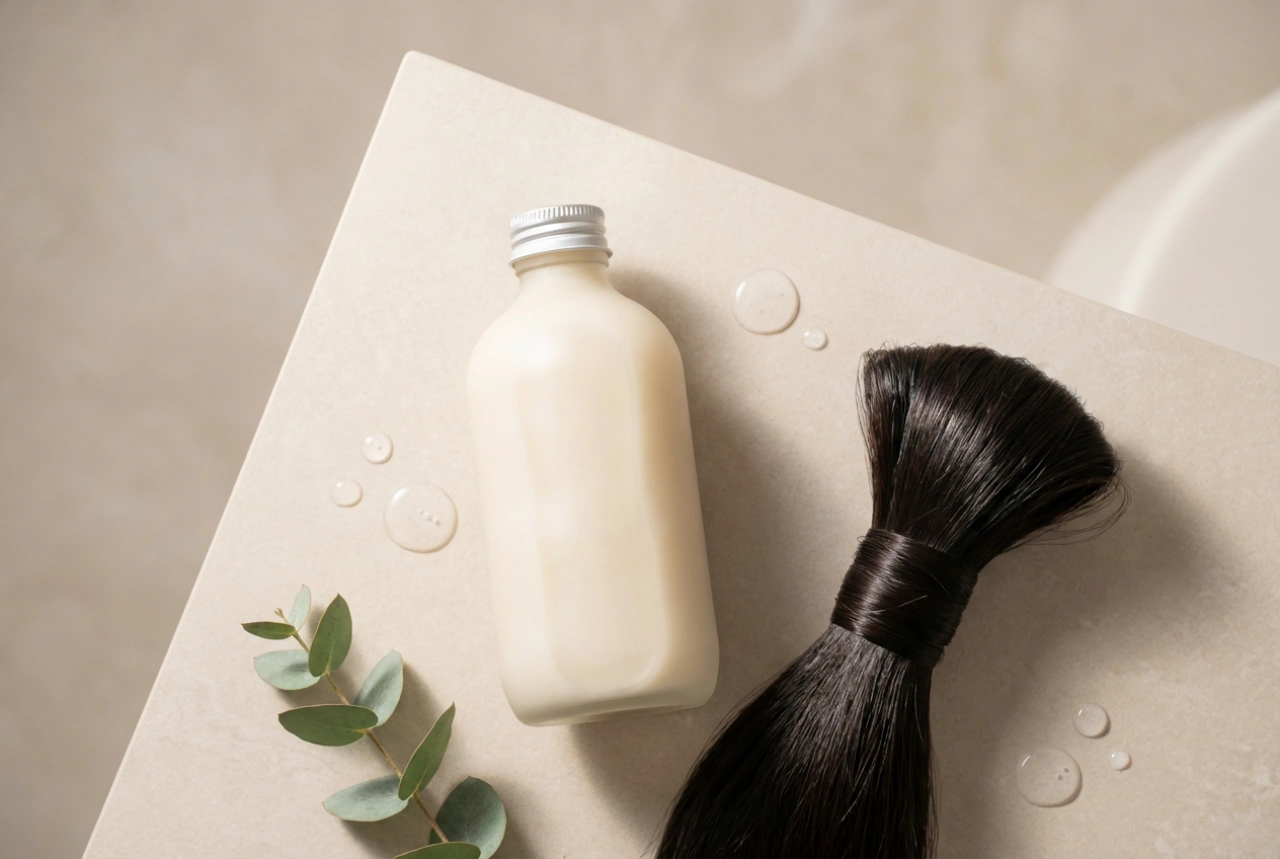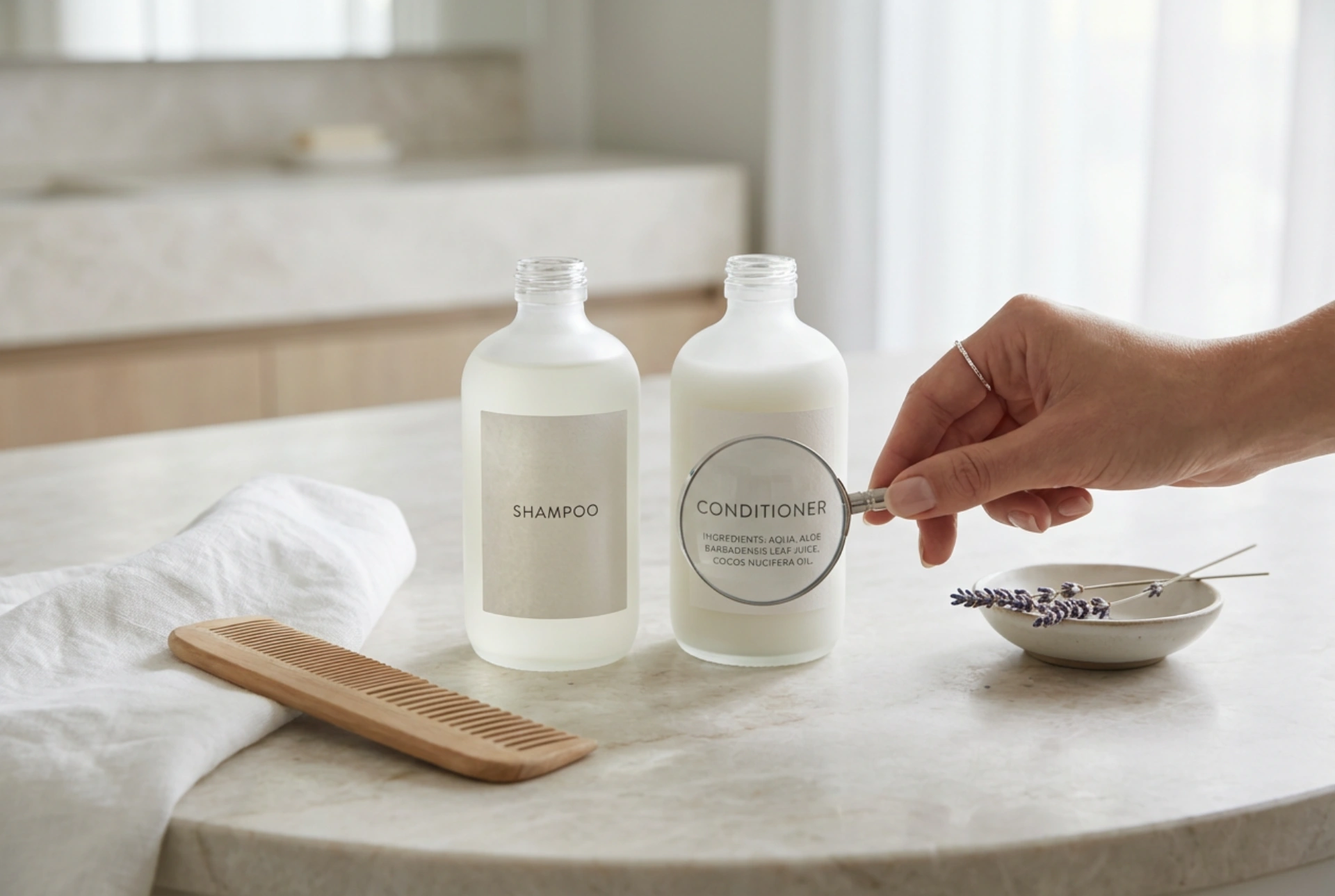


Selecting the right hair care products often starts with a moment of mindful inspection, much like examining a clean, minimalist bottle under soft, natural light to understand what we are truly putting onto our scalp. The beauty market is filled with various hair cleansers, but finding a shampoo with a good, balanced formula requires a basic understanding of ingredient lists. Learning how to read cosmetic labels not only helps in making conscious purchasing decisions but also ensures that your daily washing routine supports the overall vitality of your hair and scalp.
Decoding the Ingredient List (INCI)
Every cosmetic product features an International Nomenclature of Cosmetic Ingredients (INCI) list. By law, ingredients are listed in order of their concentration, from the highest to the lowest. The first few ingredients usually make up about 80 to 90 per cent of the formula, with water (aqua) almost always occupying the top spot. Understanding this structure allows you to quickly identify whether a shampoo contains high levels of beneficial extracts or if it relies heavily on harsh cleansing agents.
Gentle Cleansing Agents (Surfactants)
Surfactants are the active components responsible for removing dirt, sebum, and styling residues from the hair. While traditional formulas often use strong cleansers that can strip natural oils, modern hair care leans towards gentler alternatives. Look for mild surfactants in the first half of the ingredient list, such as:
- Cocamidopropyl Betaine – a gentle cleanser derived from coconut oil that helps create a soft lather.
- Coco-Glucoside and Decyl Glucoside – exceptionally mild, biodegradable cleansing agents suitable for sensitive scalps.
- Sodium Lauroyl Methyl Isethionate – a water-soluble, mild surfactant that provides effective cleansing without causing dryness.
Conditioning and Moisturising Additives
A well-balanced shampoo does not just cleanse; it also delivers protective and hydrating benefits to prevent the hair shaft from swelling excessively during washing. Beneficial additives include:
- Glycerin and Aloe Vera – humectants that attract and bind moisture to the hair fibres.
- Hydrolysed Keratin or Wheat Proteins – micro-proteins that temporarily patch small gaps in the hair cuticle, improving strength and resilience.
- Panthenol (Provitamin B5) – a soothing ingredient that helps smooth the hair surface and retain moisture.
What to Minimise or Avoid
While no cosmetic ingredient is inherently harmful when formulated correctly, certain substances can be less than ideal for specific hair types or sensitive scalps. Silicones are often added to provide immediate slip and shine. However, heavy, non-soluble silicones can build up on the hair over time, weighing down fine strands and requiring stronger cleansers to remove. If you prefer a lightweight routine, look for silicone-free formulas.
Similarly, drying alcohols are sometimes used to speed up drying times or thin out formulas, but they can dry out the scalp and hair fibres when present in high concentrations. On the other hand, fatty alcohols like Cetyl or Cetearearyl Alcohol are highly beneficial, acting as emollients that soften and condition the hair.
The Art of Effective Hair Washing
Even the most sophisticated shampoo formula cannot deliver optimal results without the correct washing technique. A proper routine ensures thorough cleansing while protecting the delicate hair structure from mechanical damage.
- Thoroughly saturate the hair: Before applying any product, ensure your hair is completely wet with lukewarm water. This helps to loosen dirt and allows the shampoo to distribute evenly.
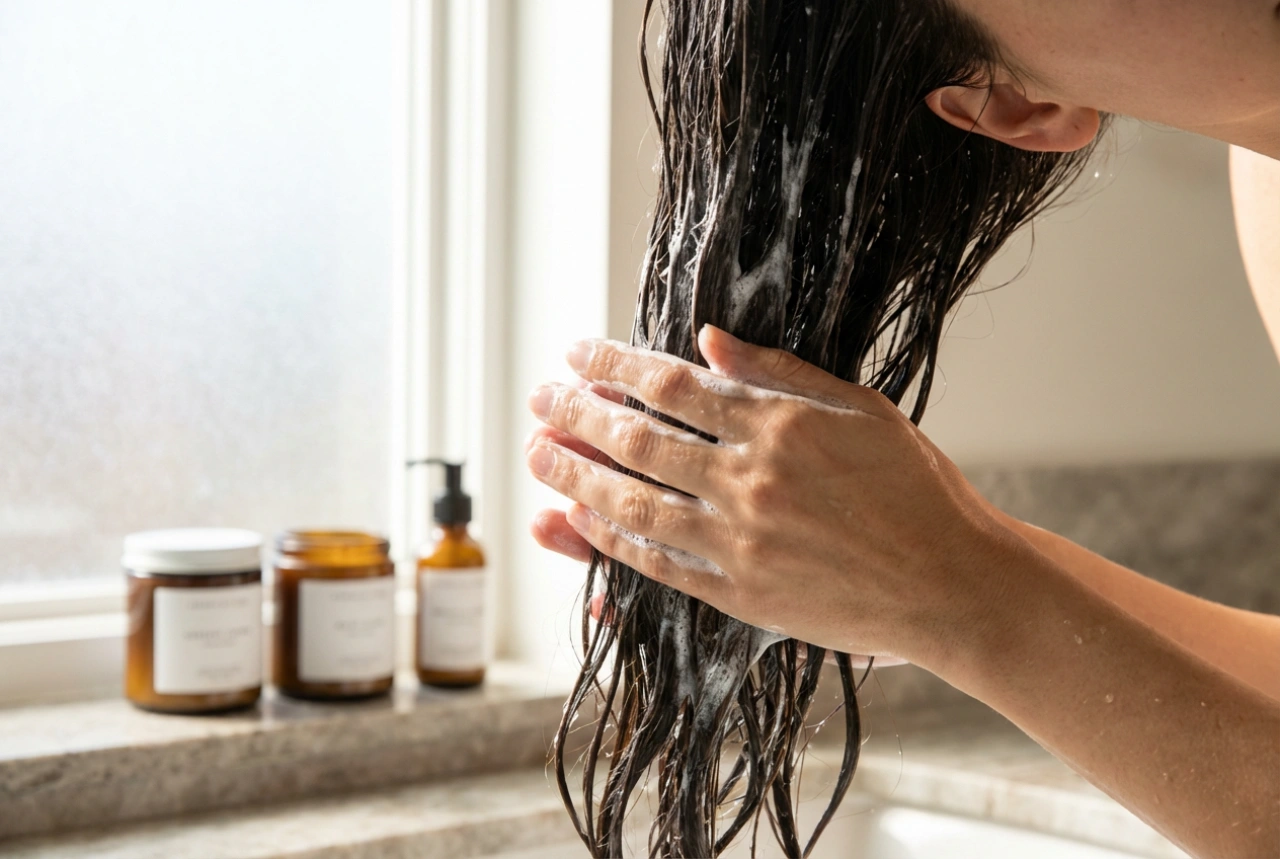
- Dilute and lather: Instead of applying concentrated shampoo directly to your scalp, pour a small amount into your palms, add a little water, and work it into a gentle lather first.
- Focus on the scalp: Gently massage the lather into your scalp using the pads of your fingers, never your nails. The scalp is where sebum and product build-up accumulate. The mid-lengths and ends of your hair do not require direct scrubbing; the running foam during rinsing is sufficient to clean them.
- Rinse thoroughly: Spend double the time rinsing your hair as you did washing it. Leftover shampoo residue can cause irritation and make the hair look dull and heavy.
Tailoring Your Choice to Your Scalp Type
When selecting a shampoo, always choose according to your scalp's current condition rather than the condition of your hair ends. If your scalp tends to get oily quickly, a lightweight formula with gentle yet effective cleansing agents is ideal. For a dry or easily irritated scalp, look for formulas enriched with soothing botanicals and ample humectants. By aligning your shampoo choice with your scalp's needs and reserving conditioning treatments for the lengths of your hair, you can achieve a perfectly balanced, healthy-looking mane.