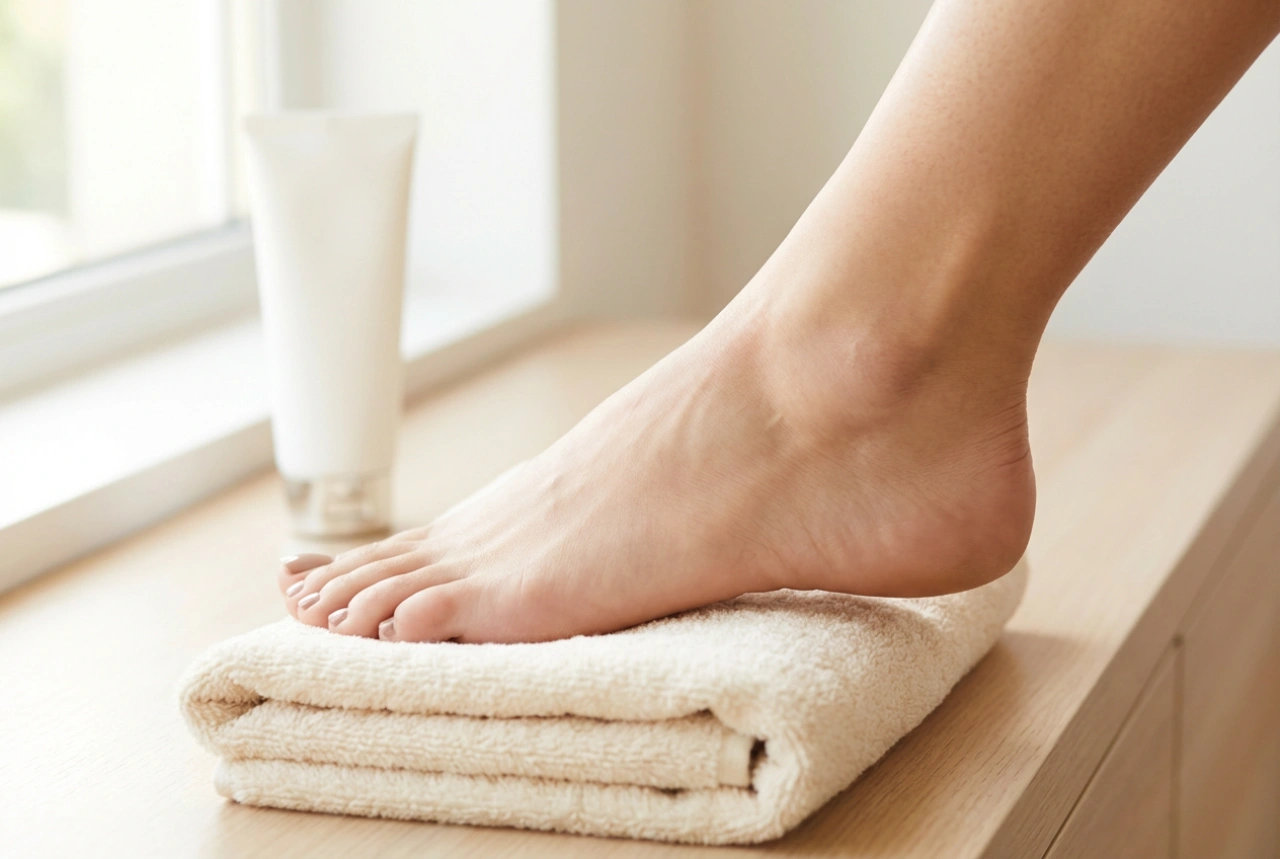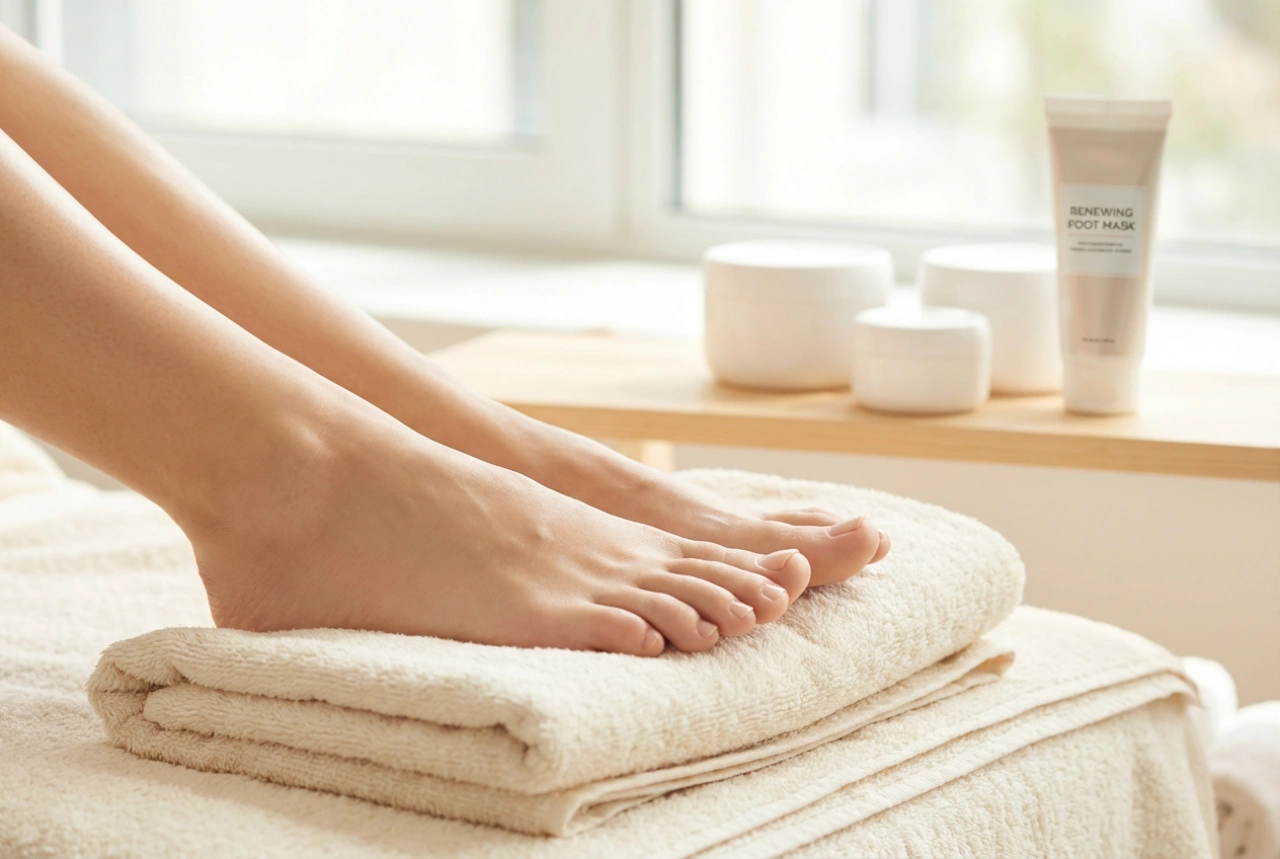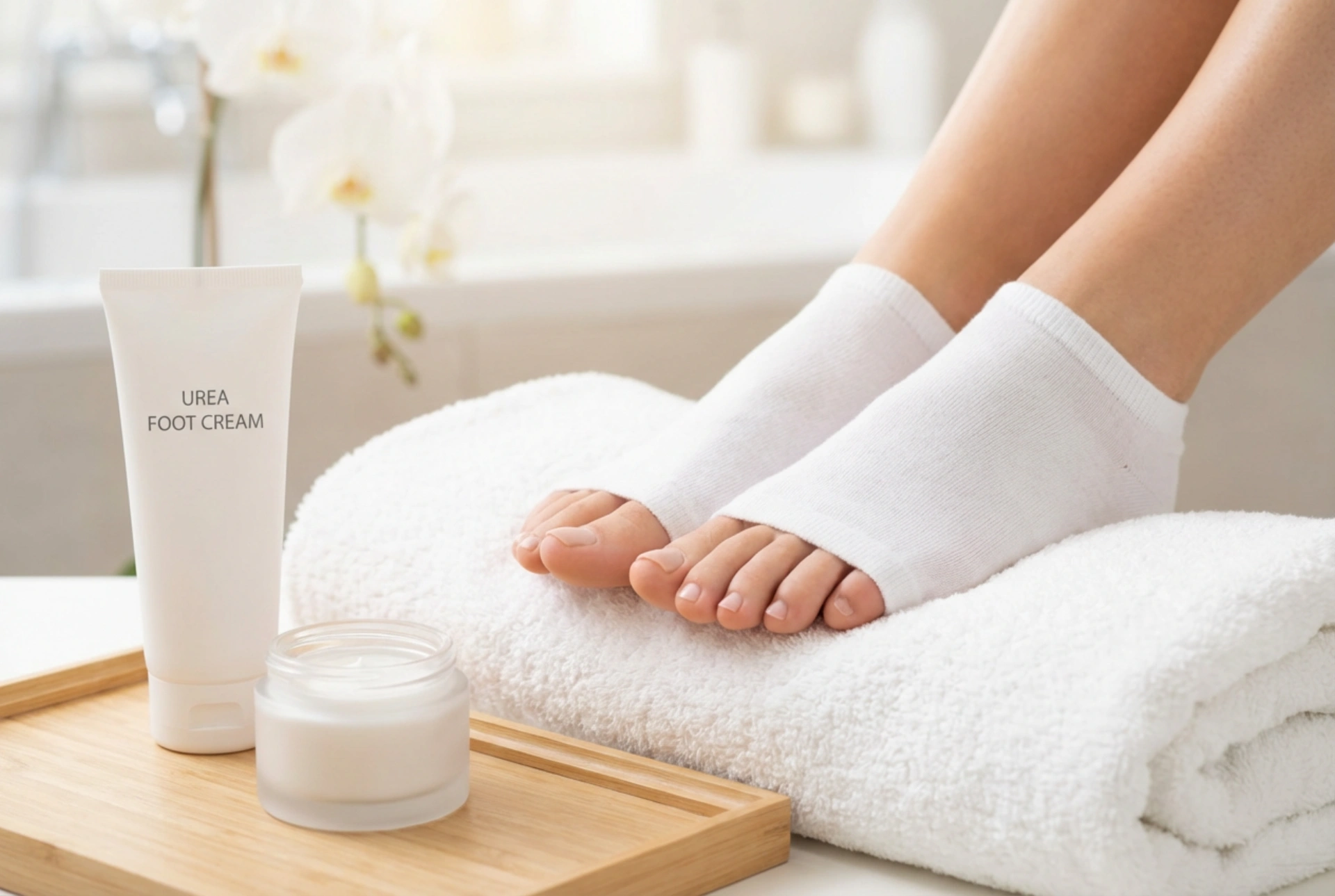


Maintaining soft, beautifully cared-for feet is an essential part of a comprehensive self-care routine. Often, our feet endure the daily strain of walking, standing, and restrictive footwear, leading to dryness and rough skin. Incorporating a dedicated foot mask alongside a nourishing cream can transform this routine into a relaxing spa-like experience. When you picture a serene home-pampering session, it often involves resting your feet comfortably on a plush, clean towel whilst a rich, hydrating treatment works its magic. Understanding the different types of foot masks and how to combine them with effective cosmetic ingredients like urea can elevate your personal care regime and ensure your skin remains perfectly balanced and hydrated.
Types of Foot Masks for Home Care
Foot masks come in several formulations, each designed to target specific skin needs. The most popular variants are sock-type masks and rich cream-based masks. Sock-type masks, often infused with nourishing serums, offer a convenient, mess-free application. They wrap the feet entirely, allowing the active ingredients to penetrate the stratum corneum deeply and evenly.
Cream and clay-based masks, usually packaged in minimalist jars, are ideal for customisable application. These can be applied to specific areas, such as the heels or soles, where dryness is most pronounced. While clay masks help to gently purify and refresh tired feet, cream masks provide intense lipid nourishment, replenishing the skin barrier after a long day.
- Nourishing sock masks: Best for deep hydration and convenient, hands-free use.
- Clay-based masks: Excellent for refreshing and revitalising fatigued skin.
- Rich cream masks: Ideal for intensive overnight hydration and targeted application.
Step-by-Step Application for Optimal Results
To maximise the benefits of any foot mask, preparation is key. Begin by thoroughly cleansing your feet in warm water. A gentle ten-minute soak can soften the outer layer of the skin, making it more receptive to the beneficial ingredients in the mask. Ensure the feet are completely dry, paying close attention to the spaces between the toes, before proceeding with the application.
If you are using a sock-type mask, carefully slip your feet inside and secure them according to the package instructions. For cream-based masks, apply a generous layer over the entire foot, focusing on dry areas like the heels. To enhance the absorption of a cream mask, you can wrap your feet in a clean, warm towel or wear soft cotton socks. Allow the product to work for the recommended duration, typically fifteen to twenty minutes, before rinsing off any excess or massaging it into the skin.
The Synergy of Foot Masks and Urea Cream
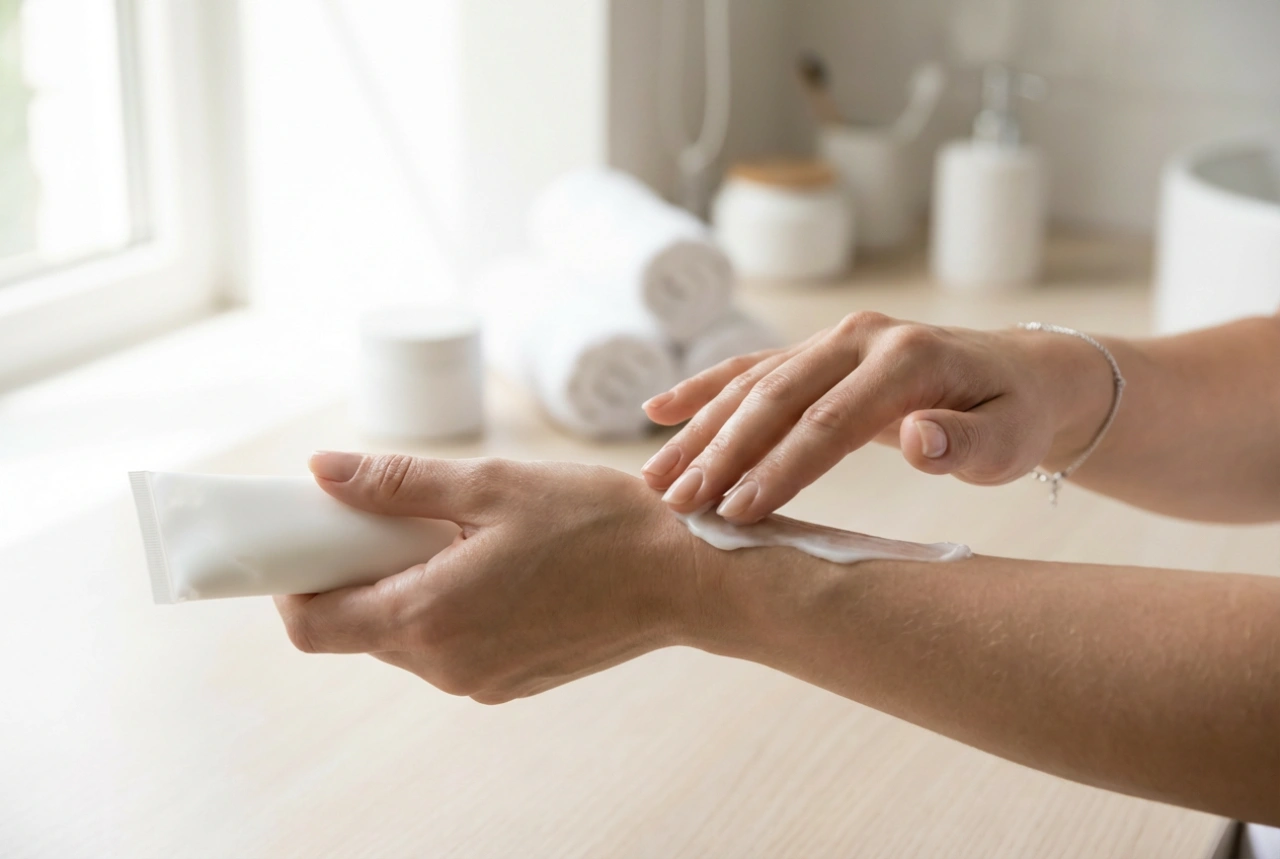
Urea is a highly valued humectant in cosmetic foot care, known for its exceptional ability to bind water in the skin. Combining a foot mask with a dedicated urea cream can yield remarkable softening results. When used together, these two products complement each other perfectly to maintain long-lasting suppleness.
The key to this combination lies in alternating their use. A foot mask can be treated as an intensive weekly or bi-weekly treatment to deeply condition the skin. In contrast, a lightweight cream containing a moderate concentration of urea is ideal for daily maintenance. Applying the urea cream every evening after your bath helps to lock in moisture and prevent the build-up of rough, dry patches. This structured approach ensures that the feet remain consistently soft, preventing the recurrence of dry heels without overloading the skin with too many heavy products at once.
Essential Practices for Long-Term Foot Beauty
Consistency is the foundation of effective cosmetic care. Beyond using masks and creams, adopting healthy daily habits will keep your feet looking and feeling their best. Avoid using aggressive physical scrapers or metal rasps, as these can trigger a defensive reaction in the skin, causing it to thicken even faster. Instead, opt for gentle exfoliation and focus on continuous hydration.
Additionally, pay attention to the footwear you choose. Shoes that fit well and are made of breathable materials reduce friction and pressure points, which are major contributors to dry, calloused skin. By pairing a gentle care routine with protective habits, you can enjoy beautifully smooth feet all year round.