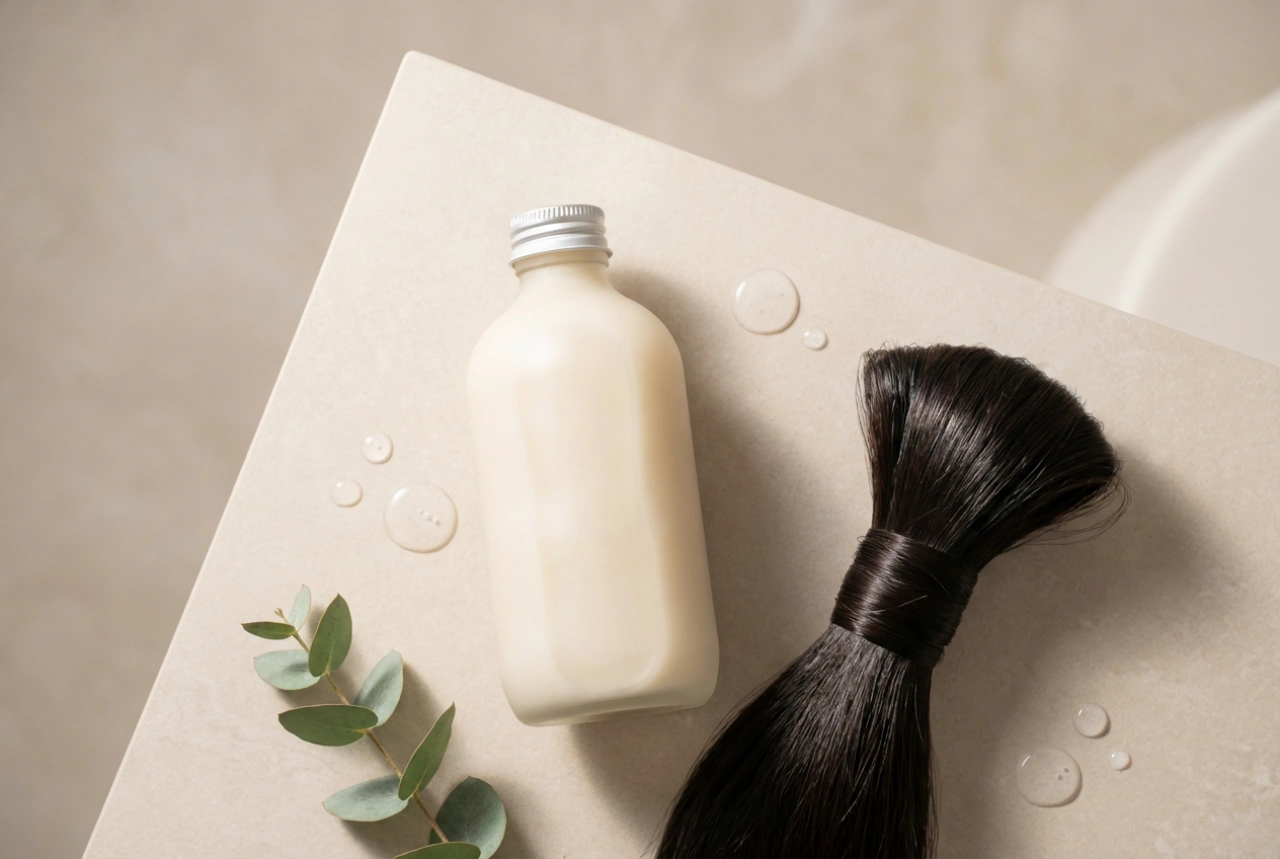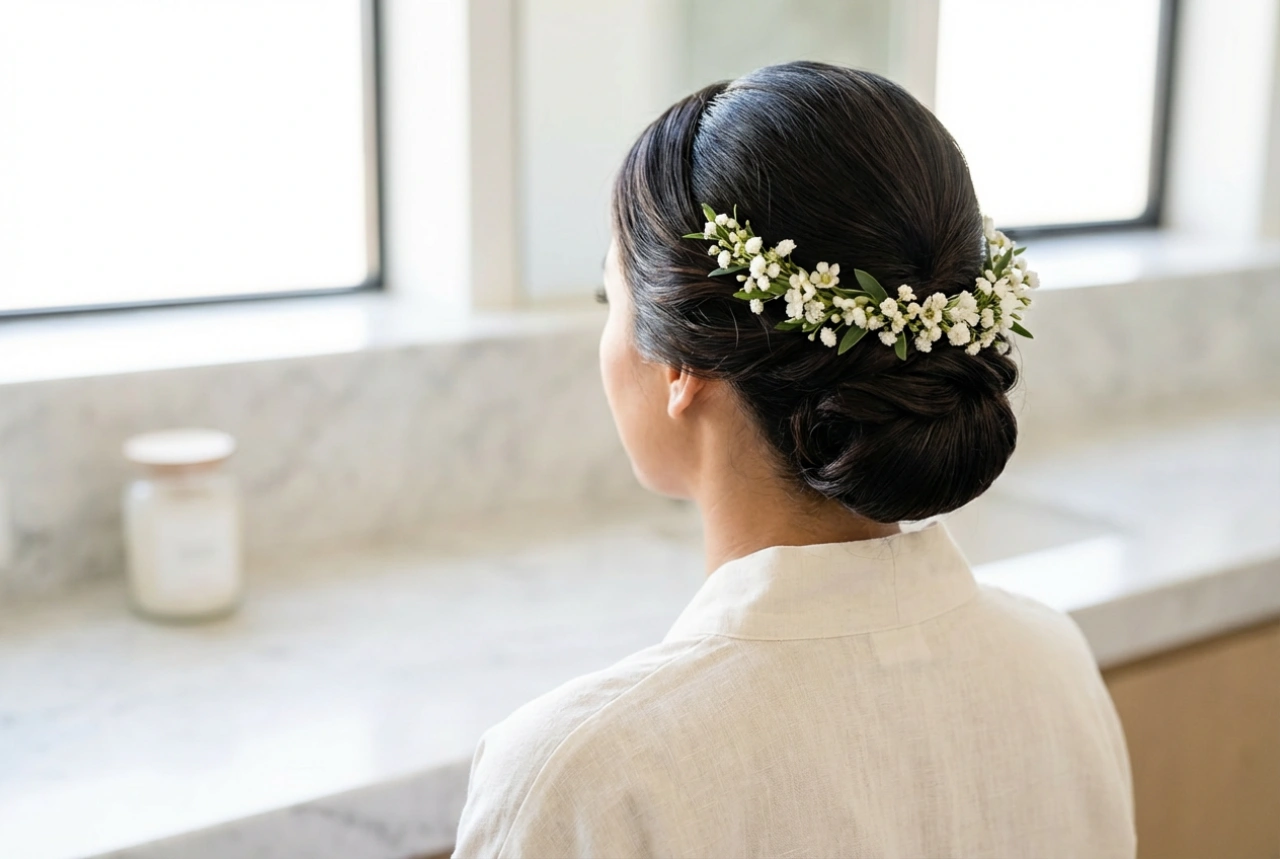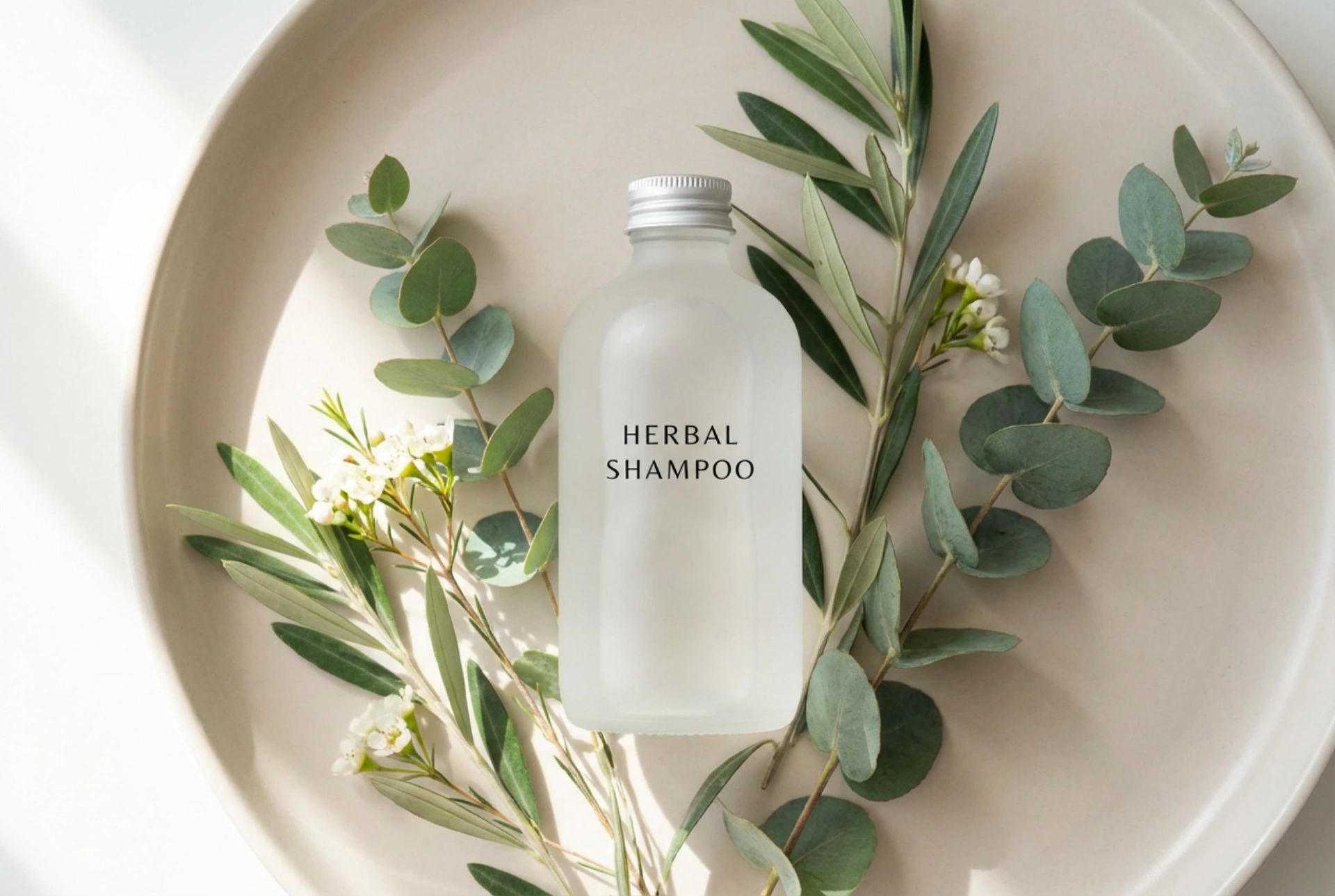


In a world where beauty routines are shifting towards simplicity and pure botanical care, the sight of a generic herbal shampoo bottle nestled among fresh green leaves on a clean, sunlit surface evokes a sense of natural freshness and gentle care. Herbal shampoos have transitioned from being niche products to essential elements of modern hair care. They offer a mild yet effective way to cleanse the hair and scalp, utilising the traditional power of plants without relying heavily on harsh chemical additives.
How Do Herbal Shampoos Work?
Unlike conventional cleansing products that often rely on strong synthetic surfactants to strip away oil and dirt, herbal shampoos utilise milder, plant-derived cleansing agents. These formulations are designed to maintain the natural pH balance of the scalp while removing daily impurities and styling residue.
The primary mechanism of herbal shampoos lies in the synergy of botanical extracts. When applied to the hair, these extracts deliver vitamins, minerals, and organic compounds directly to the hair shaft and scalp surface. Instead of coating the hair with heavy silicones that provide temporary shine, herbal formulas support the natural structure of the hair, allowing it to breathe and retain its natural bounce.
Who Benefits Most from Herbal Hair Care?
Herbal shampoos are highly versatile, but they are particularly beneficial for specific hair and scalp types seeking balance. Because they avoid aggressive synthetic ingredients, they are ideal for those who prefer a gentle, minimalistic approach to beauty.
- Individuals with oily hair: Certain botanicals help regulate sebum production without over-drying the scalp, which often triggers even more oil production.
- People with fine or limp hair: Without the weight of heavy synthetic conditioners, fine hair gains natural volume and lightness.
- Those with sensitive scalps: The absence of artificial fragrances and strong colourants reduces the likelihood of superficial scalp irritation.
- Enthusiasts of natural beauty routines: Anyone looking to align their daily personal care with plant-based, environmentally conscious principles.
Key Botanical Ingredients and Their Benefits
The efficacy of a herbal shampoo depends largely on the specific plant extracts included in its formulation. Different plants target different hair care needs:
Nettle and Field Horsetail
These classic herbs are renowned for their strengthening properties. Rich in silica and essential minerals, nettle and horsetail extracts help to fortify the hair from the roots, reduce hair fall due to breakage, and promote a clean, refreshed scalp environment.
Chamomile and Calendula
Ideal for fair hair and sensitive scalps, chamomile gently coaxes out natural golden highlights while soothing the scalp. Calendula offers exceptional conditioning benefits, making the hair softer and more manageable without weighing it down.
Rosemary and Mint
For those seeking a refreshing sensation, rosemary and mint extracts stimulate the scalp, leaving it feeling incredibly clean and revitalised. Rosemary is also valued for its ability to enhance natural shine and improve overall hair texture.
How to Correctly Use a Herbal Shampoo
To get the most out of a herbal shampoo, it is helpful to adjust your washing technique slightly. Because these products contain fewer synthetic foaming agents, they may not lather as intensely as traditional shampoos, but they cleanse just as effectively.
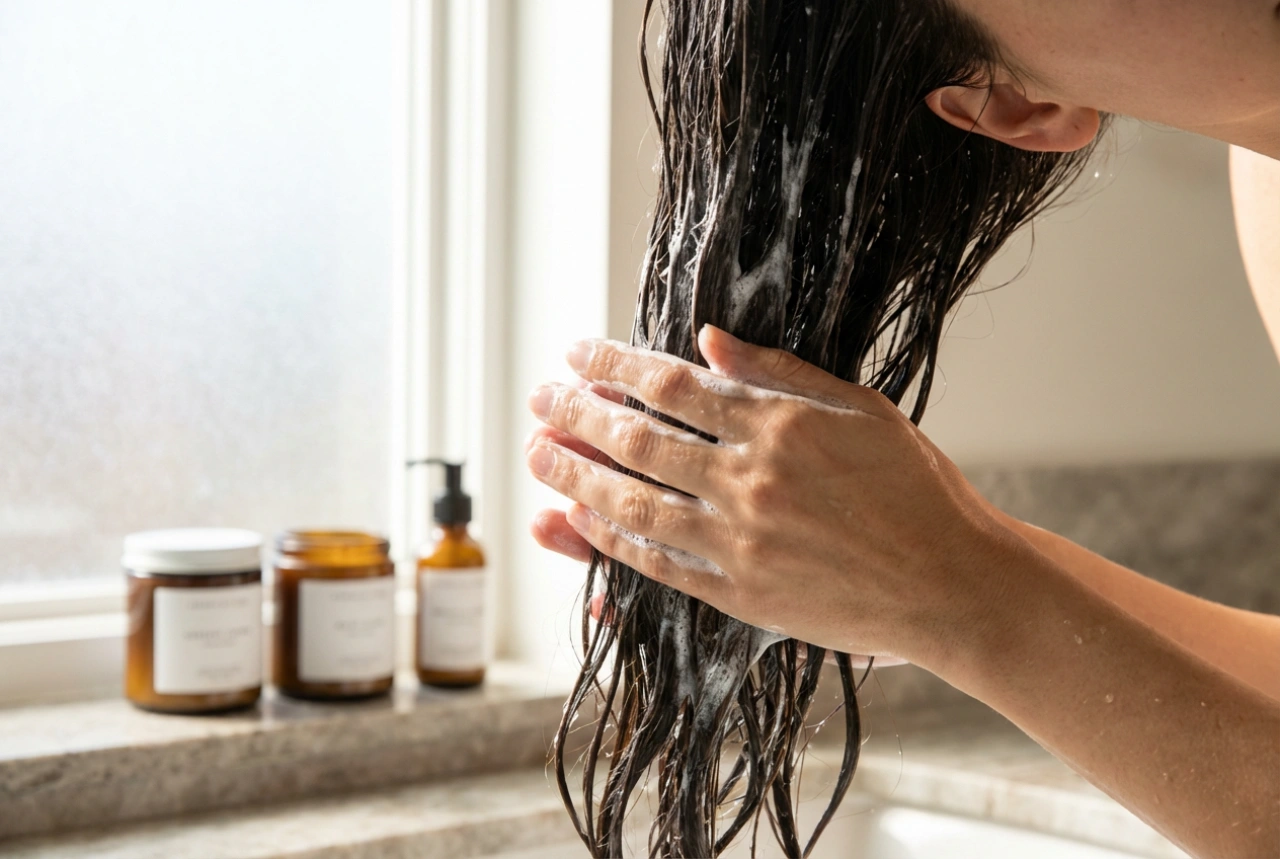
Begin by thoroughly wetting your hair with lukewarm water. Pour a small amount of the herbal shampoo into your palms and dilute it with a few drops of water to help distribute it evenly. Apply the mixture directly to your scalp and massage gently using your fingertips—avoid using your fingernails to prevent irritation. Allow the botanical ingredients to sit on the scalp for one to two minutes to fully release their beneficial properties, then rinse thoroughly with cool or lukewarm water. If you use styling products daily, a second wash may be beneficial.
Integrating Herbal Care into Your Routine
Transitioning to herbal hair care can sometimes involve an adaptation period, especially if your hair is accustomed to silicone-heavy products. Initially, your hair might feel different or slightly less slippery. This is normal as synthetic build-up is gradually removed.
To complement your herbal shampoo, pair it with a lightweight, plant-based conditioner applied only to the mid-lengths and ends of your hair. This ensures your ends remain hydrated and protected while your scalp stays fresh, light, and perfectly balanced.