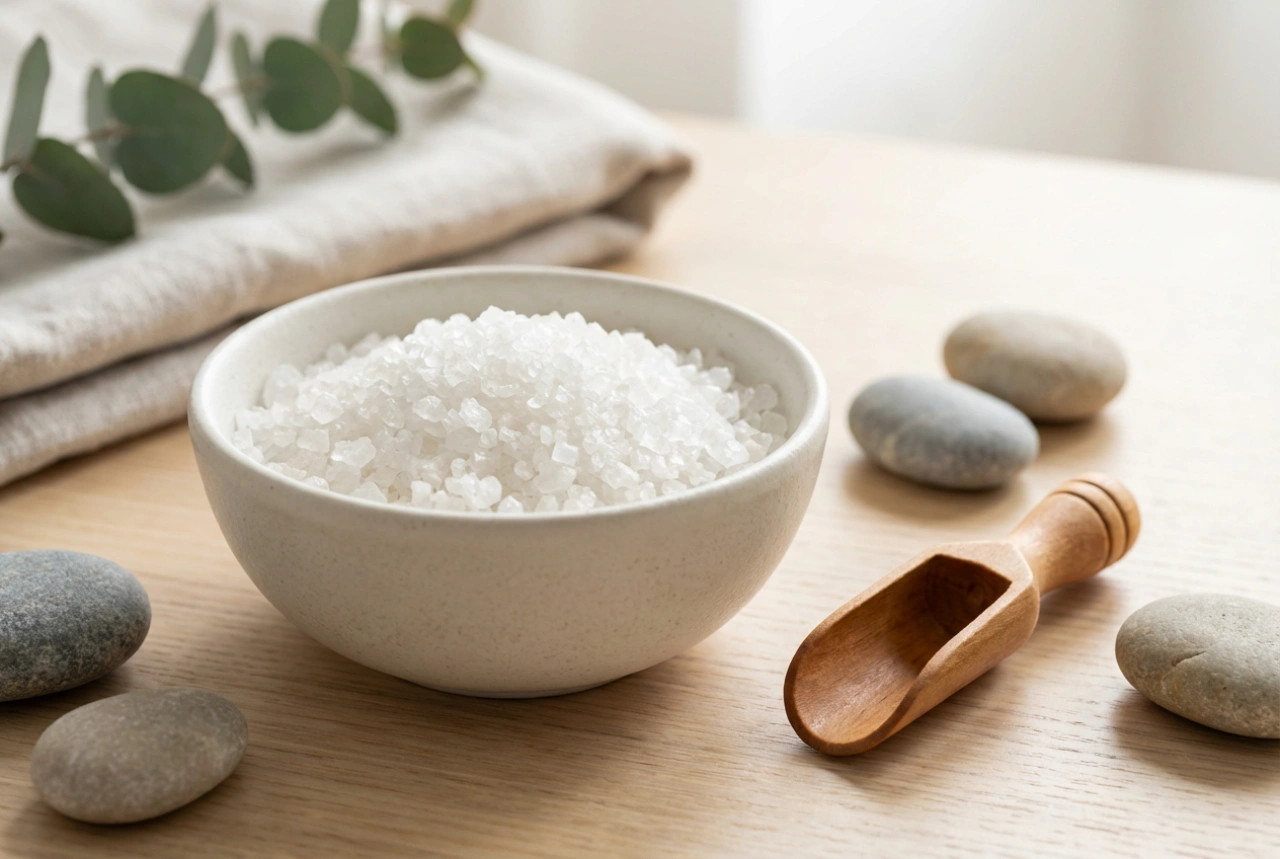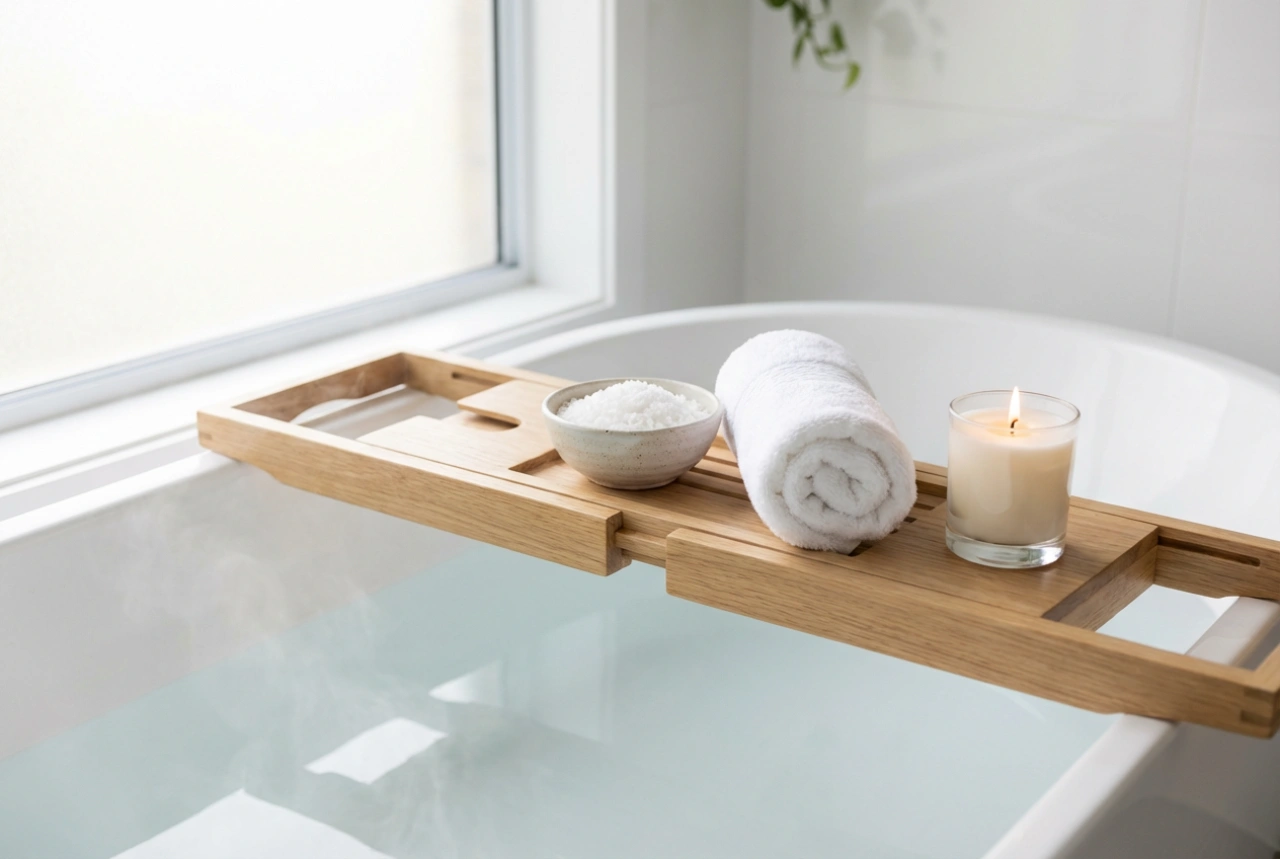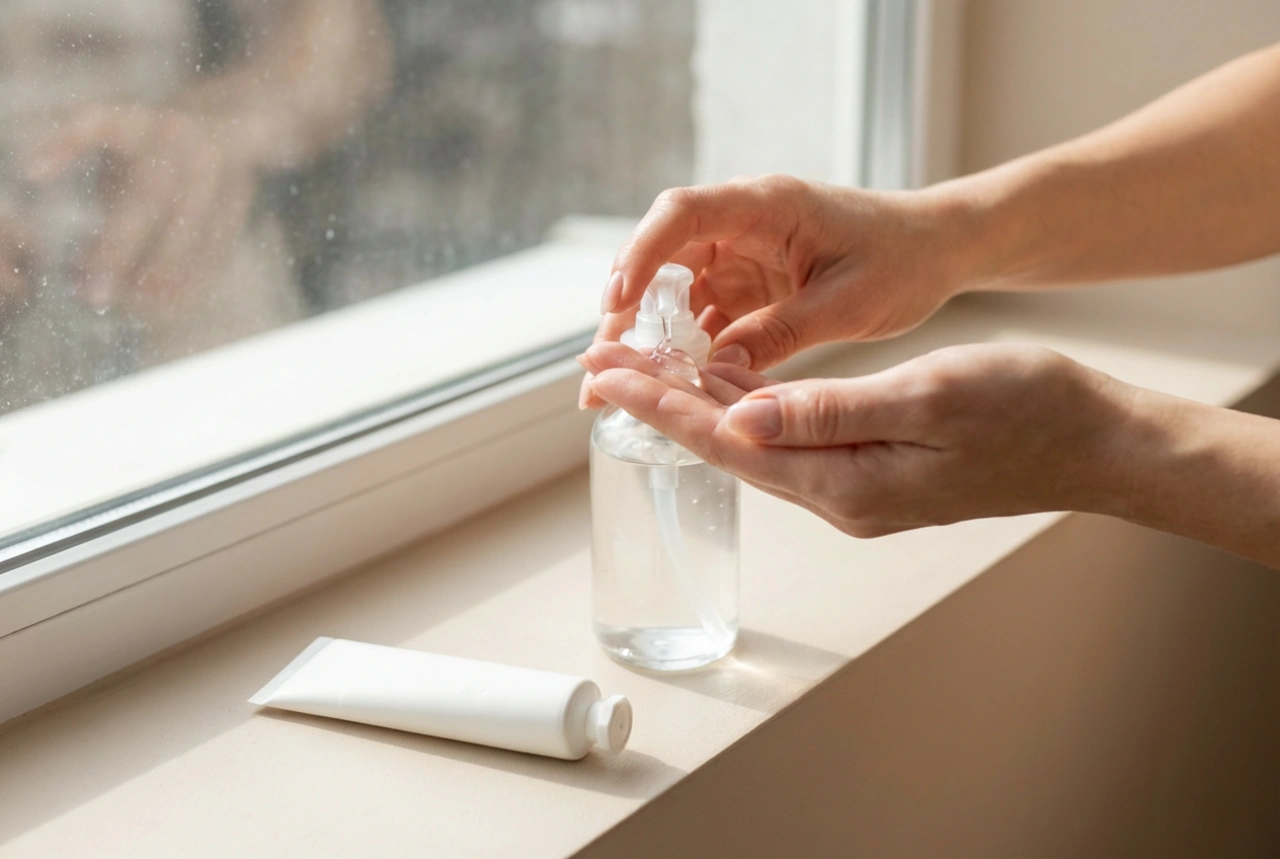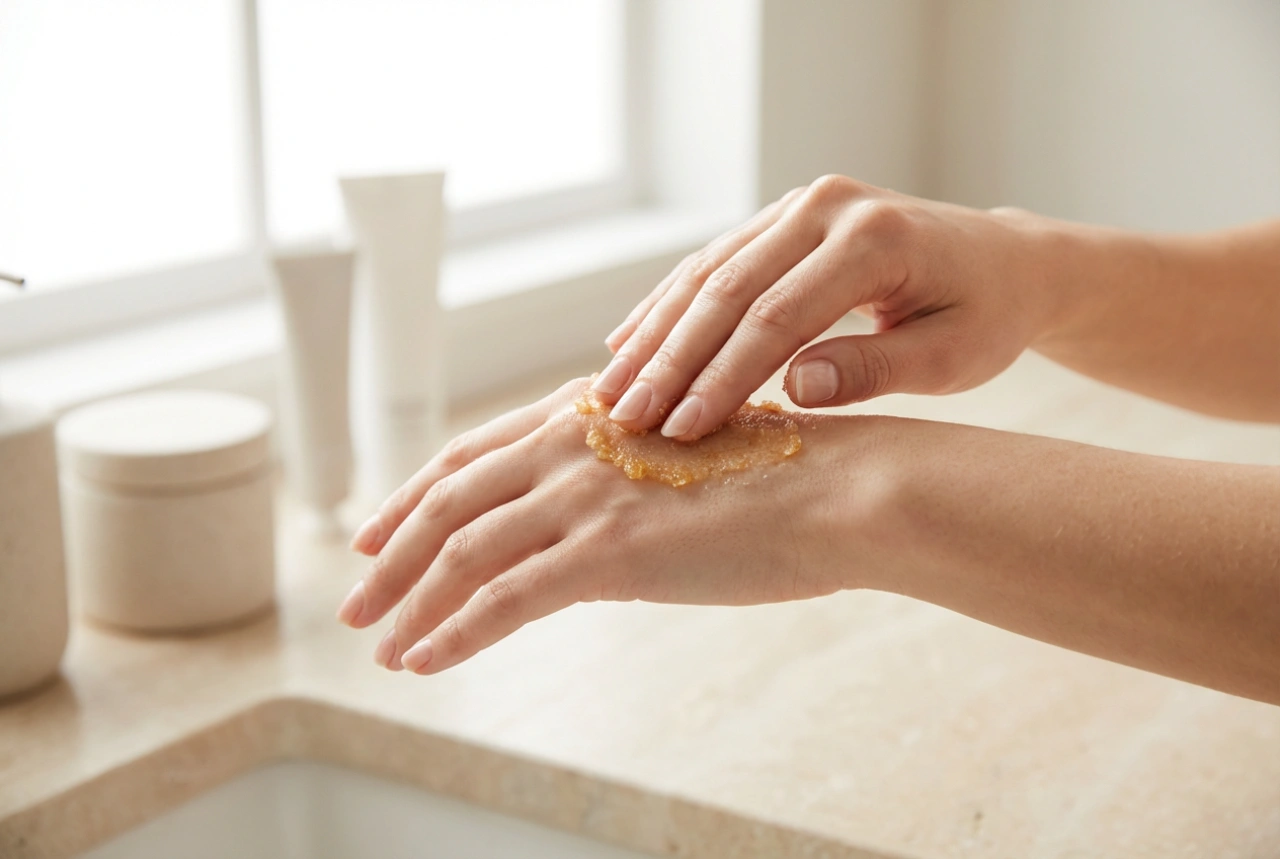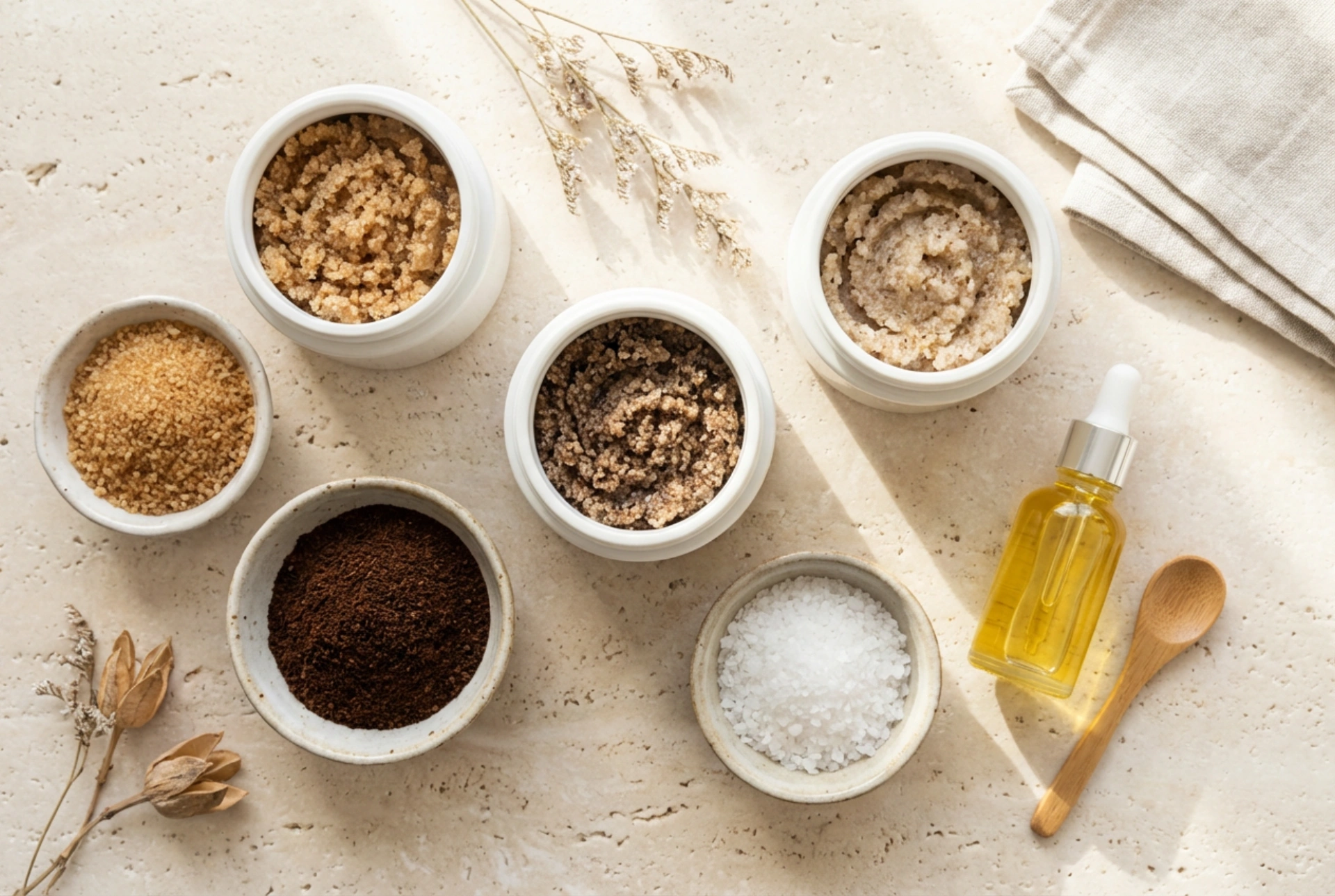


Achieving smooth, radiant skin often begins with a simple, mindful ritual in the comfort of your own home. When we look at a serene selection of natural ingredients—such as fine sugar crystals, aromatic coffee grounds, coarse sea salt, and nourishing botanical oils—we see the foundation of customisable body exfoliation. Incorporating a body scrub into your regular self-care routine is not just about cleansing; it is about revitalising the skin's surface by gently removing dead skin cells and supporting the natural renewal process. However, to achieve the best results without compromising your skin barrier, it is essential to understand how to match the abrasive particles and the carrier oils to your specific skin needs.
Understanding Grit Levels in Body Scrubs
The texture of a body scrub, often referred to as its grit, plays a crucial role in how effectively and safely it exfoliates. Different areas of the body have varying skin thicknesses and sensitivities, meaning a one-size-fits-all approach rarely works. Choosing the right abrasive agent ensures that you gently polish the skin rather than causing micro-irritations.
Fine Grit: Soft Sugar and Rice Powder
Fine-grained exfoliants are the gentlest option available. Sugar is a naturally excellent choice because its crystals are smaller and less abrasive than salt. As you massage a sugar scrub onto damp skin, the crystals slowly dissolve, providing a mild exfoliation that is perfect for delicate areas, dry skin, or those new to body scrubbing. Rice powder is another ultra-fine alternative that offers a polishing effect, leaving the skin feeling incredibly soft and smooth.
Medium Grit: Coffee Grounds and Seed Powders
For a more invigorating experience, medium grit options like finely ground coffee or crushed fruit seeds are highly effective. Coffee grounds are particularly popular due to their texture and pleasant natural aroma. They provide a thorough exfoliation that helps to stimulate surface circulation, making them ideal for areas like the thighs, buttocks, and arms. When using fruit seed powders, ensure they are finely milled to avoid any sharp edges that could scratch the skin.
Coarse Grit: Sea Salt
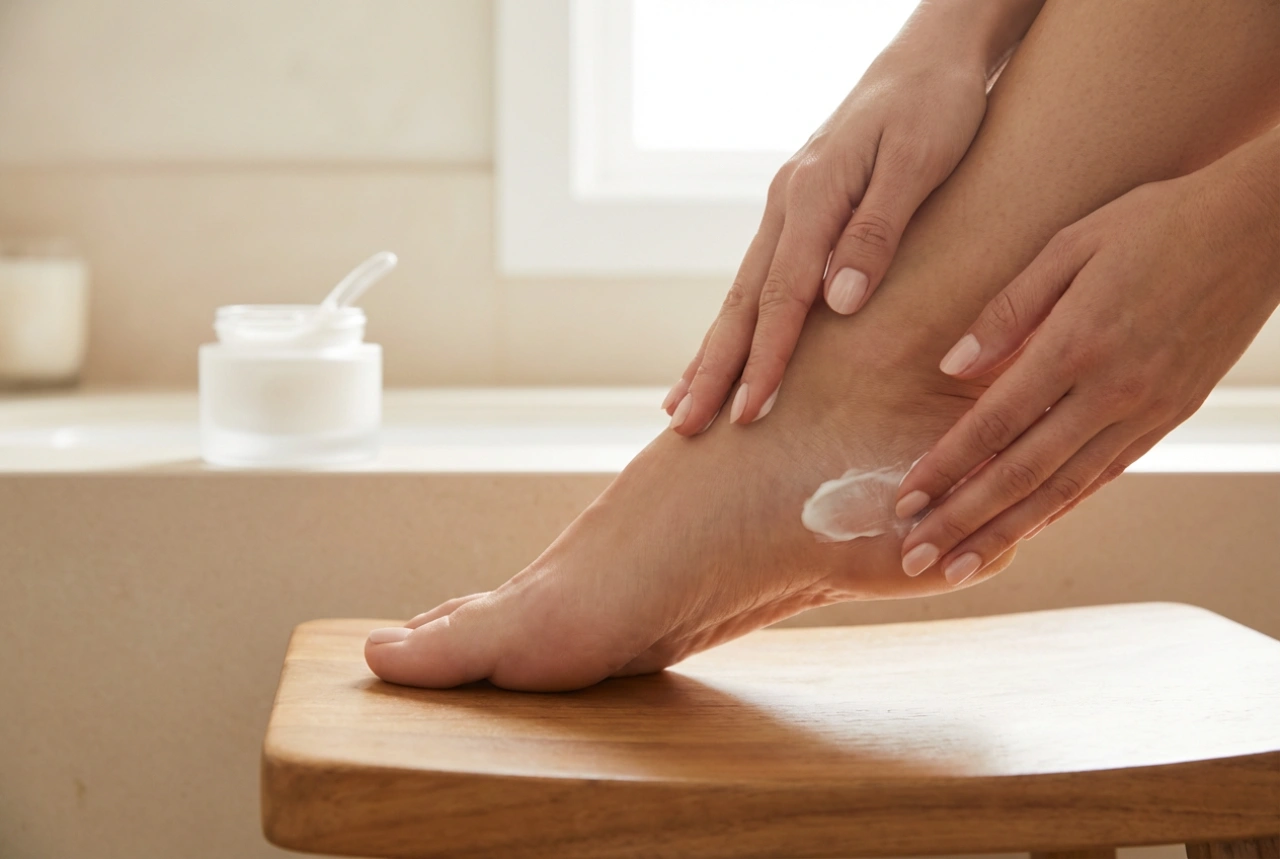
Coarse exfoliants, such as sea salt, offer the most intense scrubbing action. Salt crystals are larger and more robust, making them highly suitable for thick, rough patches of skin that require deeper exfoliation. These areas typically include the heels, elbows, and knees. Sea salt also contains natural minerals that can help to purify the skin, but because of its high intensity, it should be used with caution and avoided on sensitive or recently shaved areas.
Matching Oils to Your Skin Type
An effective body scrub is rarely composed of exfoliating particles alone; it requires a nourishing base of carrier oils to lubricate the skin, facilitate smooth application, and lock in essential moisture. Selecting the right oil can transform a simple scrub into a deeply hydrating treatment.
- Sweet Almond Oil: A versatile, lightweight oil rich in vitamins. It absorbs relatively quickly and is suitable for almost all skin types, leaving a soft, non-greasy finish.
- Jojoba Oil: Closely mimicking the skin's natural sebum, jojoba oil is excellent for balancing the skin. It provides deep hydration without clogging pores or feeling heavy.
- Coconut Oil: Ideal for extremely dry skin, coconut oil creates a rich, protective barrier on the skin's surface, preventing moisture loss and leaving a smooth, satin-like sheen.
- Avocado Oil: A thick, nutrient-dense oil that is perfect for mature or severely dehydrated skin. It penetrates deeply to nourish and soothe dry patches.
How to Safely Integrate Scrubbing into Your Routine
To reap the maximum benefits of body exfoliation, consistency and proper technique are far more important than intensity. Over-exfoliating can strip the skin of its natural oils and lead to dryness or sensitivity, while under-exfoliating may not yield the desired smoothness.
For most skin types, using a body scrub once or twice a week is sufficient to maintain a healthy-looking glow. It is best to perform this ritual at the end of your shower or bath. The warm water and steam will have softened the outer layer of the skin, making it much easier to lift away dead cells. Gently massage the scrub in circular motions, starting from your feet and working your way upwards towards the heart. This technique not only exfoliates but also promotes healthy surface circulation.
Post-Scrub Care and Best Practices
Once you have thoroughly massaged the scrub, rinse it off with lukewarm water. Avoid using excessively hot water, as this can wash away the beneficial oils left behind on your skin. After stepping out of the shower, gently pat your skin dry with a soft towel rather than rubbing it vigorously. Because the scrub leaves a light layer of nourishing oil, you may find you need less lotion afterwards, but applying a gentle moisturizer while the skin is still slightly damp will help lock in that newfound hydration for hours to come.