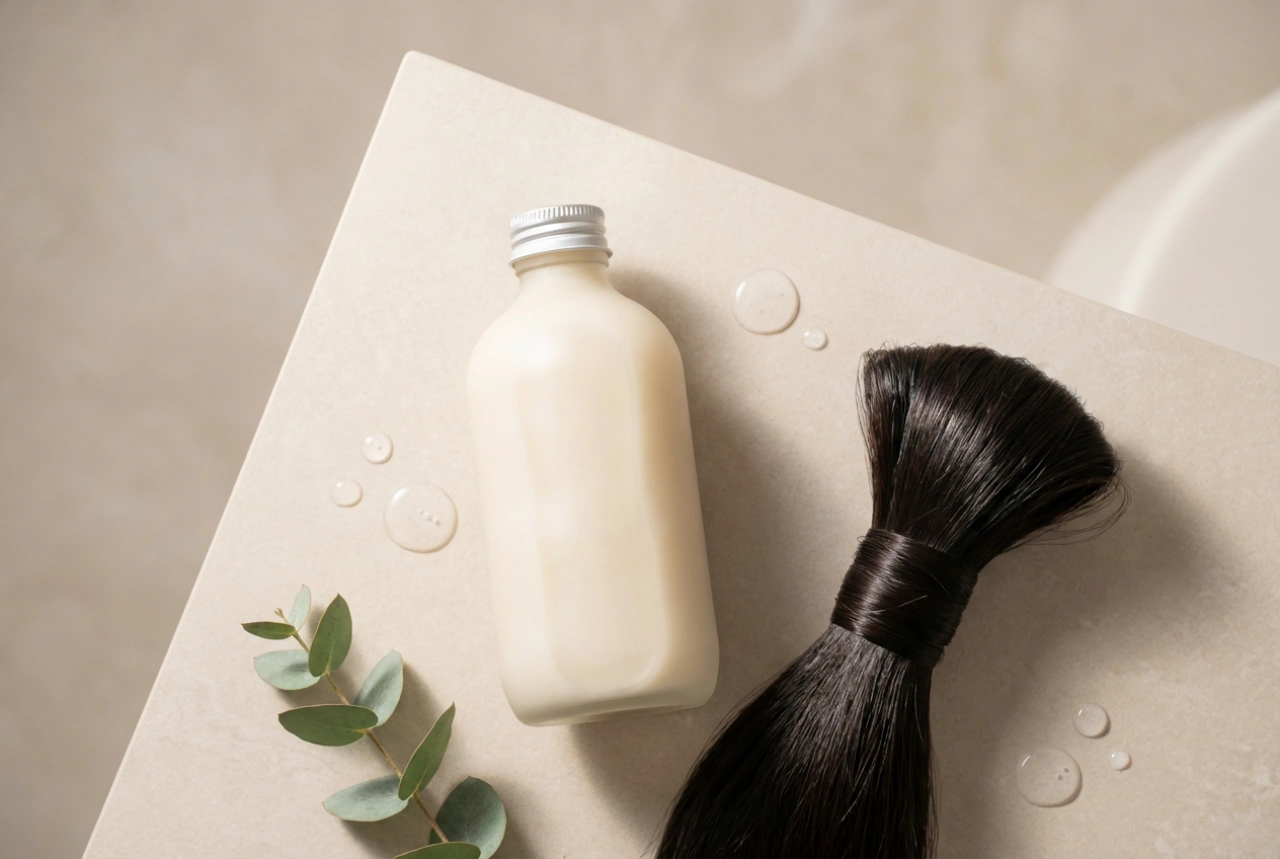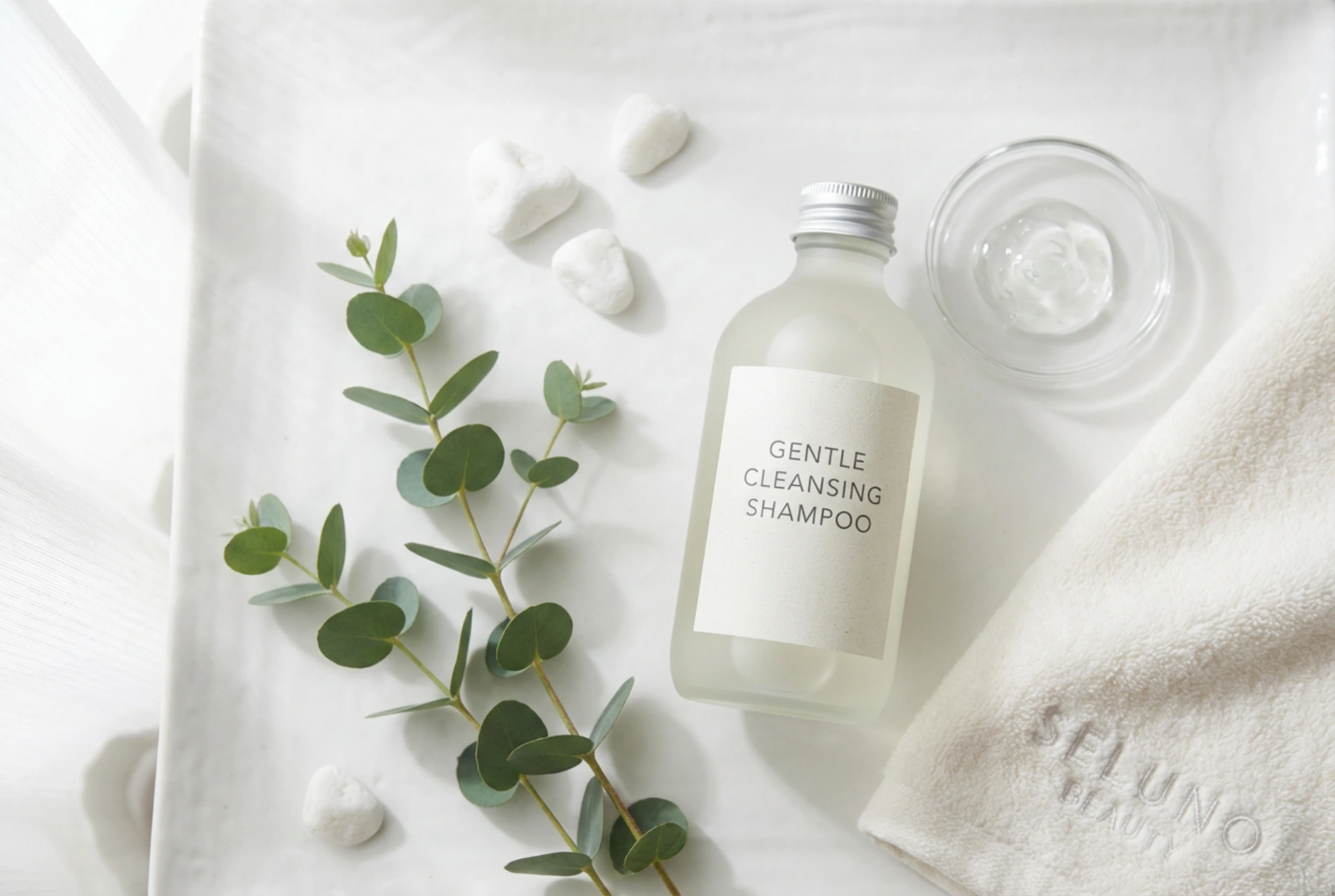


In the pursuit of healthy, radiant hair, many of us are turning towards minimalist and pure beauty rituals. A clean, simple shampoo bottle sitting on a vanity, surrounded by fresh botanical extracts, symbolises a shift towards more conscious grooming choices. Today, the focus is on gentle care, with a particular emphasis on what we put on our hair and scalp. One category of hair products that has gained significant traction is alcohol-free shampoo. Understanding why these products are beneficial and learning how to navigate the complex world of cosmetic ingredient lists can transform your hair care routine from a guessing game into a precise, nourishing ritual.
Understanding Alcohols in Haircare: The Good vs The Bad
To make informed choices, it is essential to understand that not all alcohols listed on beauty products are harmful. In cosmetic science, alcohols are a diverse group of organic compounds with vastly different properties. They are generally divided into two main categories: drying alcohols and fatty alcohols. Knowing the difference between them is the first step in mastering the art of reading cosmetic labels.
Drying Alcohols to Watch Out For
Drying alcohols are typically used in hair products to speed up drying time, create a lightweight feel, or help other ingredients penetrate the hair shaft. However, when used in high concentrations, particularly in daily-use rinse-off products like shampoos, they can strip away the natural lipids that protect the hair and scalp. Common drying alcohols to look out for in the ingredient list include:
- Alcohol Denat. (Denatured Alcohol): Often used as a solvent, it can evaporate quickly but may leave the scalp feeling tight.
- Isopropyl Alcohol: Commonly found in styling products, it can dry out the hair cuticle if used frequently.
- Ethanol or Ethyl Alcohol: Similar to denatured alcohol, it can strip moisture from delicate strands.
Nourishing Fatty Alcohols
On the other side of the spectrum are fatty alcohols. These are derived from natural oils and fats, such as coconut or palm oil. Unlike drying alcohols, fatty alcohols act as emollients. They help to lubricate the hair shaft, lock in moisture, and provide a smooth, velvety texture to the product. They are highly beneficial for dry and damaged hair. When reading your shampoo label, you do not need to avoid these:
- Cetyl Alcohol: Provides a creamy consistency and softens the hair.
- Cetearyl Alcohol: A mixture of fatty alcohols that helps emulsify ingredients and smooths the hair cuticle.
- Stearyl Alcohol: An emollient that helps protect the hair fibres and adds shine.
When is it Worth Switching to an Alcohol-Free Shampoo?
While some hair types can tolerate standard formulations, certain scalp and hair conditions will benefit immensely from an alcohol-free approach. If your hair routine currently leaves your locks feeling parched, it might be time to reconsider your ingredients.
For Dry, Brittle, or Damaged Hair
Hair that has been exposed to environmental stressors, regular heat styling, or frequent colouring is naturally more porous and fragile. Using a shampoo containing harsh drying alcohols can exacerbate this damage, leading to split ends and breakage. An alcohol-free formula preserves the natural moisture barrier, ensuring that the hair retains its elasticity and softness.
For Sensitive and Dry Scalps
The scalp is an extension of our skin, and it requires just as much gentle care. If you experience temporary tightness, mild flaking, or a general sensation of discomfort after washing, your scalp might be reacting to stripping agents. Switching to a formula free from drying alcohols helps maintain the natural pH balance and protective lipid barrier of the scalp, promoting a more comfortable and balanced environment.
For Curly and Coily Hair Textures
Curly hair is naturally drier than straight hair because the scalp's natural oils find it harder to travel down the spiral shape of the hair strand. Moisture is the key to well-defined, bouncy curls. Shampoos that eliminate drying alcohols help curls retain their natural shape, reduce frizz, and keep the hair looking hydrated and healthy.
How to Read the INCI List Like an Expert
The International Nomenclature of Cosmetic Ingredients (INCI) is the standardised system used globally to identify cosmetic ingredients. Reading this list can feel like learning a new language, but a few simple rules can help you decode any shampoo bottle.
First, ingredients are listed in descending order of concentration. The ingredients at the very top of the list make up the majority of the product. If you see a drying alcohol like Alcohol Denat. within the first five to seven ingredients, it is present in a significant amount and is highly likely to have a drying effect. If it appears at the very end of the list, its concentration is minimal, often used merely to dissolve another ingredient, and may not cause noticeable dryness.
Second, look for soothing and hydrating alternatives in the formulation. A high-quality, gentle shampoo will often lead with water, followed by mild cleansing agents (such as glucosides or betaines) and skin-conditioning emollients. Botanicals, plant oils, and glycerine are excellent indicators of a formula designed to support hair health without stripping its natural oils.
Perfecting Your Gentle Haircare Routine
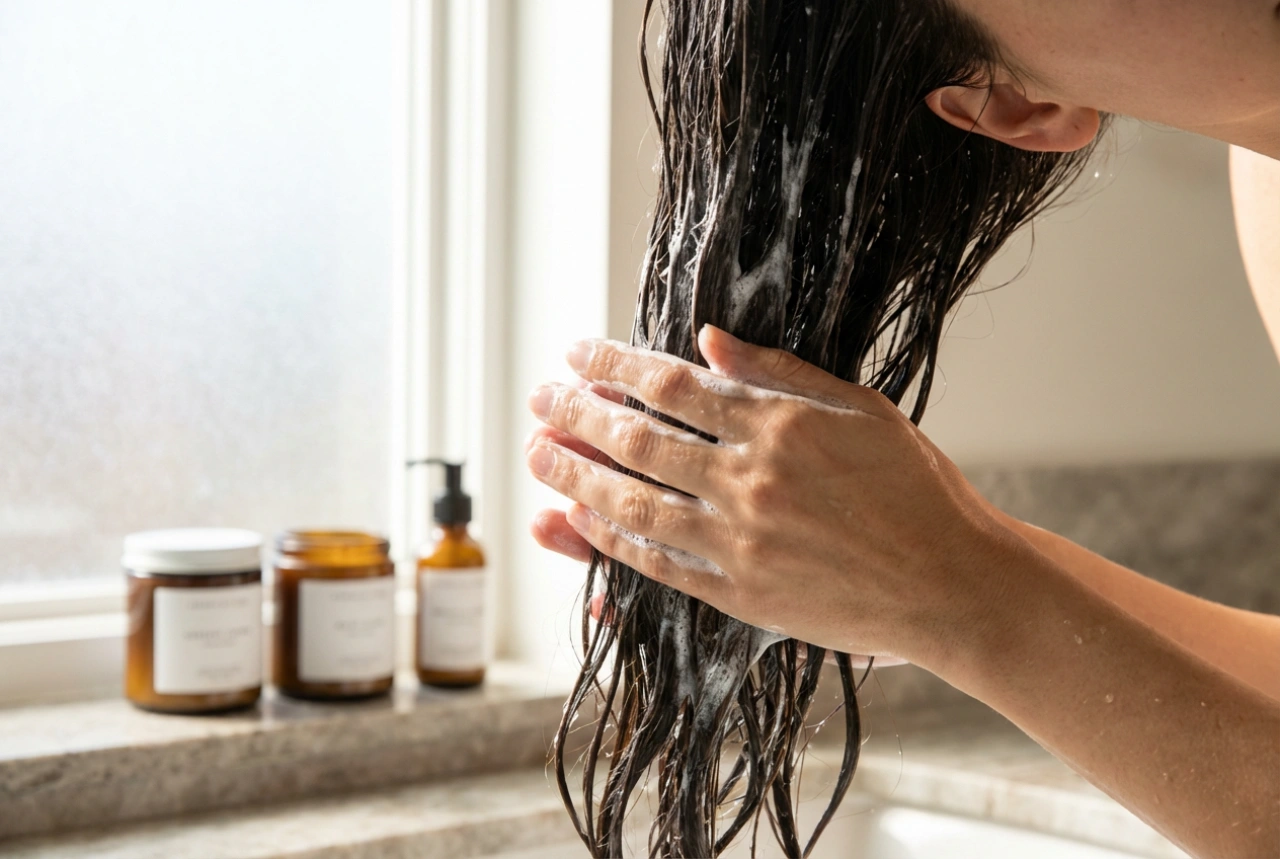
Choosing the right shampoo is only the first step; how you use it also matters. To get the most out of your alcohol-free haircare routine, start by thoroughly wetting your hair with lukewarm water. Apply a small amount of shampoo primarily to the scalp, massaging gently with your fingertips to lift away impurities without roughing up the hair cuticles. Let the lather rinse down the lengths of your hair rather than scrubbing the ends directly.
Follow up with a nourishing conditioner containing beneficial fatty alcohols and botanical extracts to seal in moisture. By choosing pure, thoughtful formulations and adopting gentle washing techniques, you can achieve beautiful, resilient hair that radiates natural health and vitality.