

The quest for a radiant, healthy-looking complexion is a common goal in any beauty routine. Achieving that desirable 'lit-from-within' glow, however, can be a delicate balance, with the risk of appearing oily rather than luminous. This is where an illuminating makeup primer comes in. It serves as the perfect base, creating a smooth canvas that catches the light beautifully, all while ensuring your makeup stays put and looks fresh, not greasy. It's the secret weapon for a truly radiant finish.
What Exactly Is an Illuminating Primer?
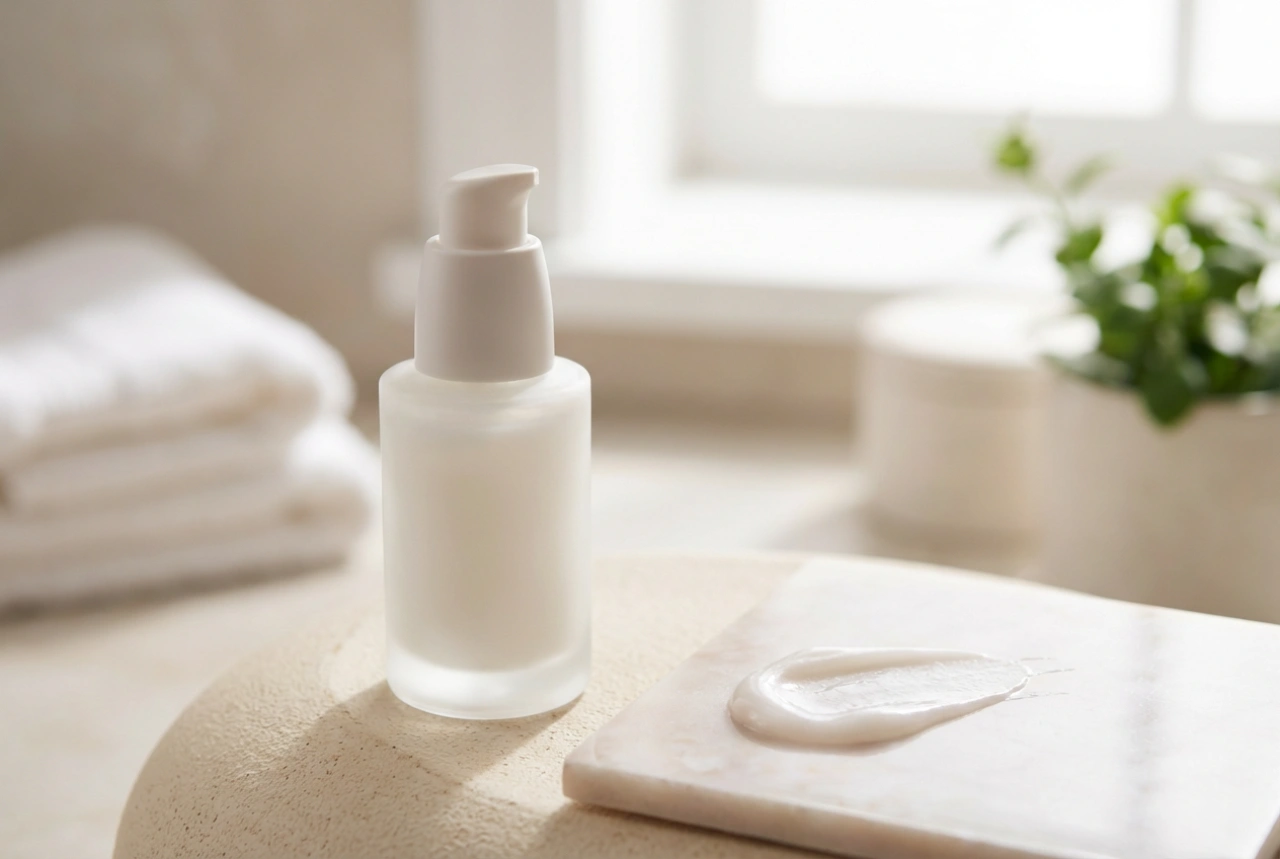
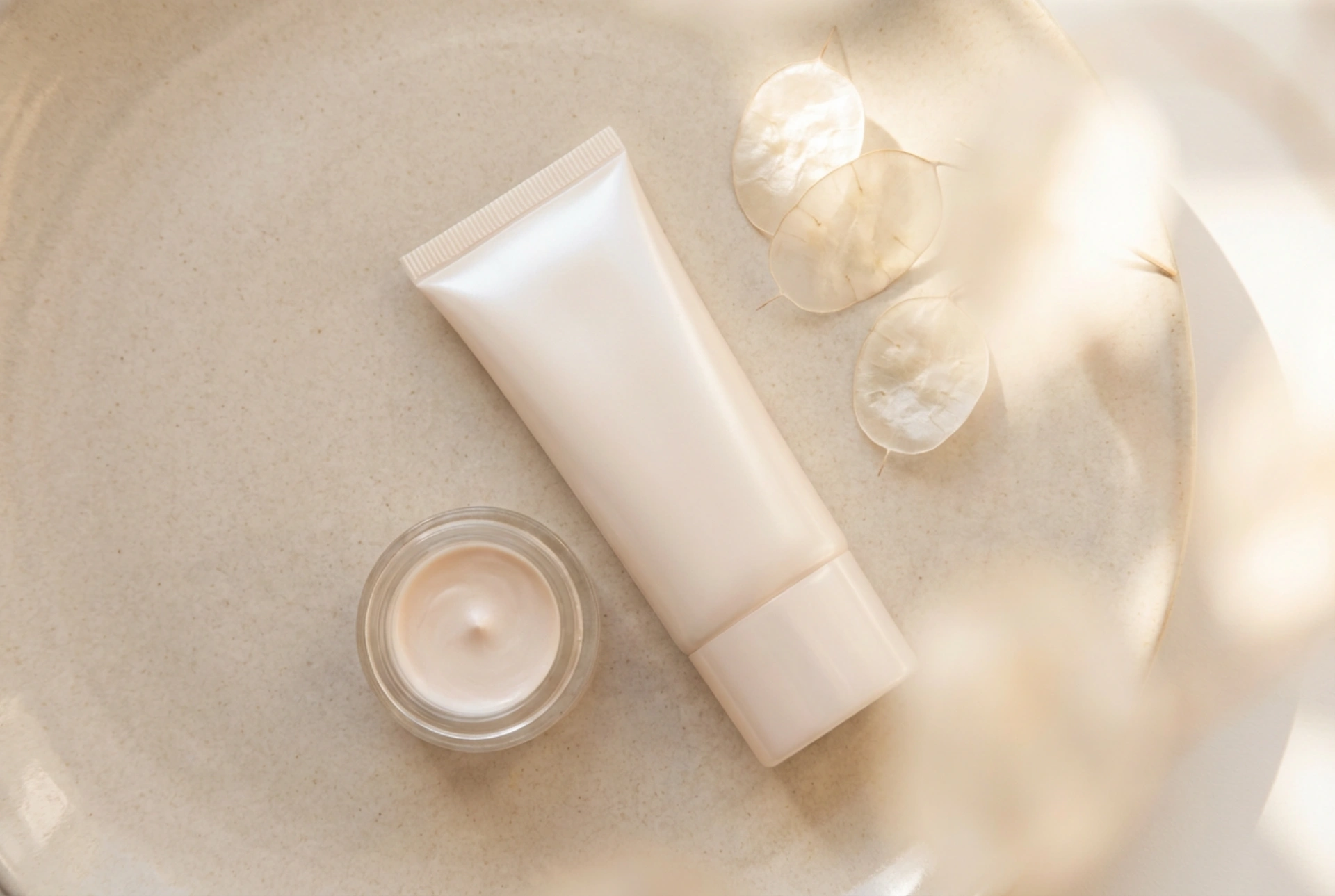
An illuminating primer, sometimes called a glow primer, is a base product applied after skincare but before foundation. Its primary function is to impart a subtle, all-over luminosity to the skin. Unlike mattifying primers that control shine or hydrating primers that add moisture, an illuminating primer is formulated with very fine, light-reflecting particles. These microscopic particles, often pearlescent or mineral-based, bounce light away from the skin's surface. This creates a soft-focus effect that can help to blur the appearance of minor imperfections and give the skin a healthy, vibrant glow. It's important to distinguish it from a liquid highlighter, which is typically more concentrated and applied to specific high points of the face for a targeted strobing effect. A primer provides a much more subtle, diffused radiance that appears to come from the skin itself.
Choosing the Right Primer for Your Skin Type
Not all illuminating primers are created equal, and the best one for you will depend on your skin's needs. Selecting the right formula is key to achieving a flawless, non-greasy glow.
For Oily or Combination Skin
If you have oily or combination skin, the idea of adding more 'glow' might seem counterintuitive. However, the right primer can provide a controlled radiance without adding excess shine. Look for oil-free, lightweight, and water-based formulas. These will give you the desired luminosity without feeling heavy or contributing to oiliness throughout the day. You might also prefer to apply the primer strategically only to the high points of your face, such as the cheekbones, brow bone, and down the centre of the nose, while using a mattifying primer on areas like the T-zone.
For Dry or Normal Skin
Those with dry or normal skin can benefit greatly from the moisturising and radiance-boosting properties of an illuminating primer. Look for creamy or lotion-like formulas that may contain hydrating ingredients. These primers can be applied all over the face to combat dullness and create a dewy, supple base for makeup. The added luminosity will make the skin look plumper and healthier, preventing foundation from looking flat or cakey.
For Mature Skin
On mature skin, an illuminating primer can work wonders to restore a youthful radiance. The key is to choose a formula with extremely fine, subtle shimmer. Avoid products with large, obvious glitter particles, as these can settle into fine lines and wrinkles, accentuating them. A primer with a soft, pearlescent finish will help to smooth the skin's appearance and diffuse light, creating a flattering and sophisticated glow.
Application Techniques for a Perfect Glow
How you apply your illuminating primer can completely change the final effect. Experiment with these methods to find what works best for your desired look.
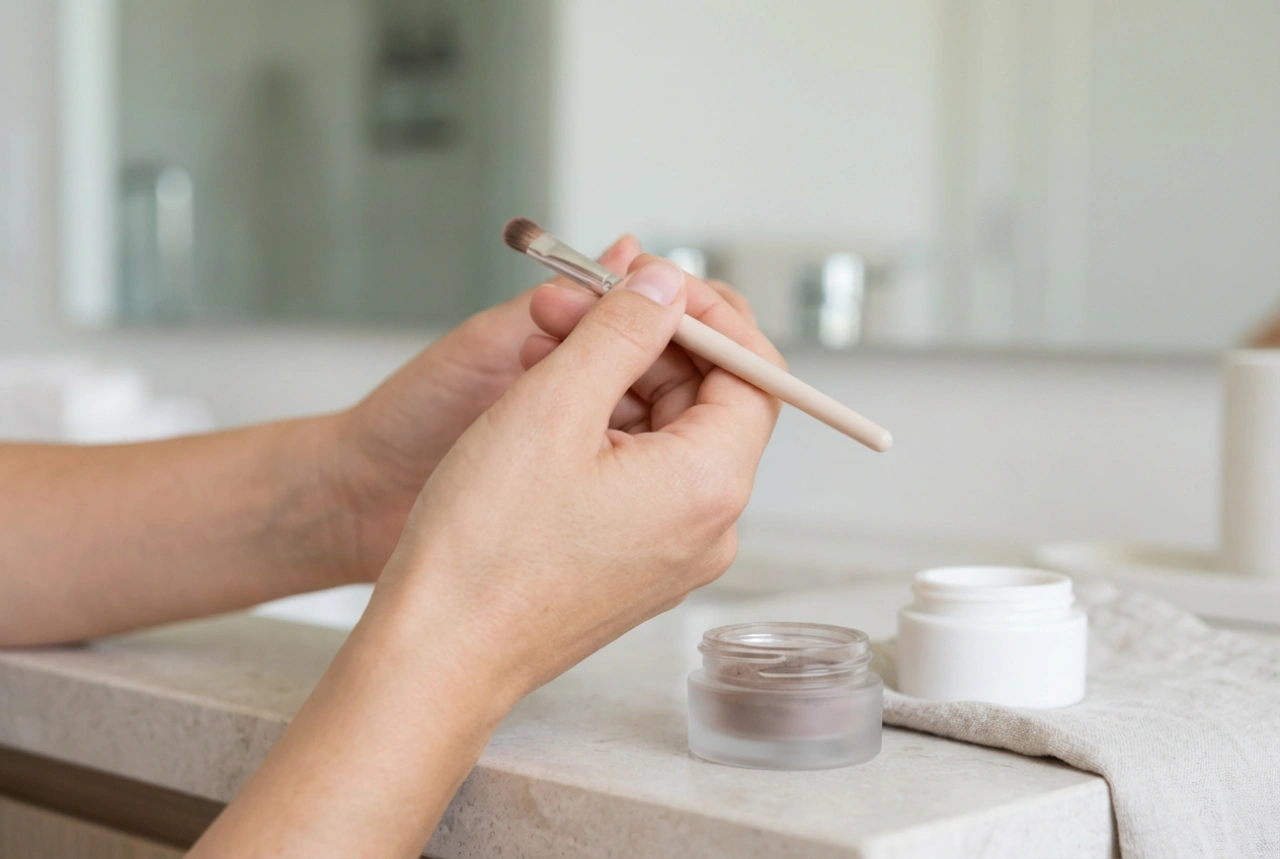
- Under Foundation: This is the most common method. After completing your skincare routine, apply a thin, even layer of primer all over your face using your fingertips, a brush, or a sponge. Allow it to set for a minute before applying your foundation. This creates that coveted 'lit-from-within' look, as the glow subtly shines through your foundation.
- Mixed with Foundation: For a quick, dewy finish, mix a small amount of illuminating primer directly with your liquid foundation on the back of your hand before applying it to your face. This will sheer out the foundation's coverage slightly and infuse it with an all-over luminosity. It's an excellent technique for reviving a more matte or full-coverage foundation.
- As a Subtle Liquid Highlighter: If you prefer a very natural look, you can use your illuminating primer as a targeted highlighter. After applying your foundation, take a tiny amount and gently tap it onto the high points of your face where light would naturally hit: the top of your cheekbones, the bridge of your nose, your cupid's bow, and just under the arch of your eyebrows.
- Worn on Its Own: On days when you want a minimal makeup look, an illuminating primer can be worn alone over your moisturiser and sunscreen. It will even out your skin tone slightly, blur imperfections, and give your complexion a fresh, healthy, and polished appearance without the need for foundation.
Common Mistakes to Avoid
To ensure your glow is flawless, be mindful of a few common pitfalls. Firstly, avoid using too much product; a pea-sized amount is usually sufficient for the entire face. Over-application can lead to a metallic or greasy finish. Secondly, pay attention to the primer's undertone. Some have a pink, gold, or champagne tint, so choose one that complements your natural skin tone. Finally, always apply primer to well-prepped, moisturised skin. Applying it to dry patches can accentuate them, while skipping moisturiser can prevent it from blending seamlessly.