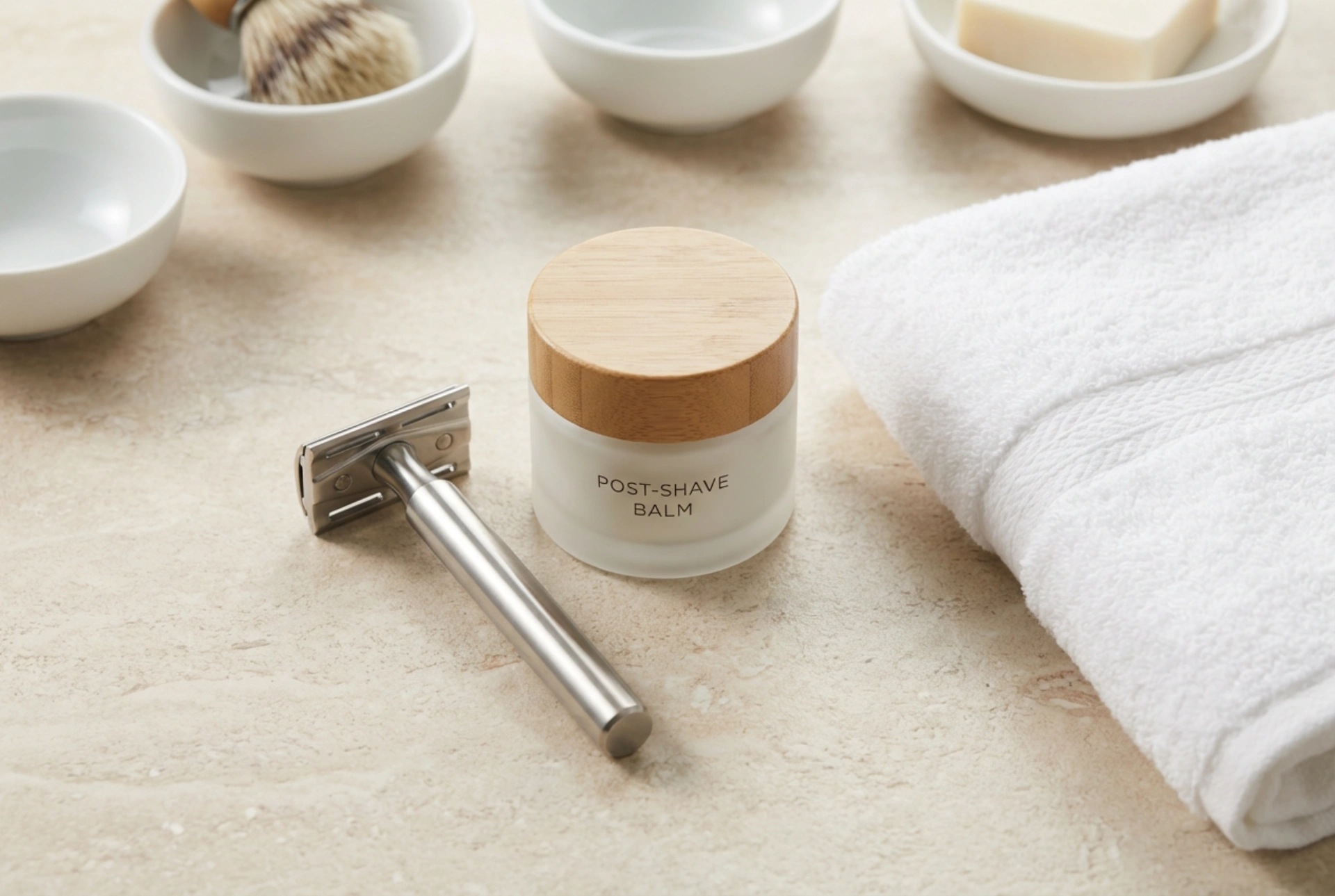


Achieving a smooth, comfortable shave in the delicate bikini area is a common beauty goal. The sight of pristine grooming tools—a sharp razor, a soothing balm, and a soft towel—promises a perfect result, but the reality can sometimes involve redness and bumps. However, with the right preparation, technique, and aftercare, you can achieve beautifully smooth skin without discomfort. This guide provides a comprehensive approach to mastering the art of bikini shaving for a flawless, irritation-free finish.
Preparation is Key: Getting Your Skin Ready
Properly preparing your skin is the first and most crucial step in preventing shaving irritation. Never shave dry skin, as this is a direct path to razor burn and nicks. Instead, take the time to soften both the skin and the hair. Soaking in a warm bath or taking a warm shower for at least five to ten minutes is ideal. The warmth and moisture will make the hair softer and easier to cut, and the skin more pliable, reducing the chances of pulling and irritation.
Gentle Exfoliation
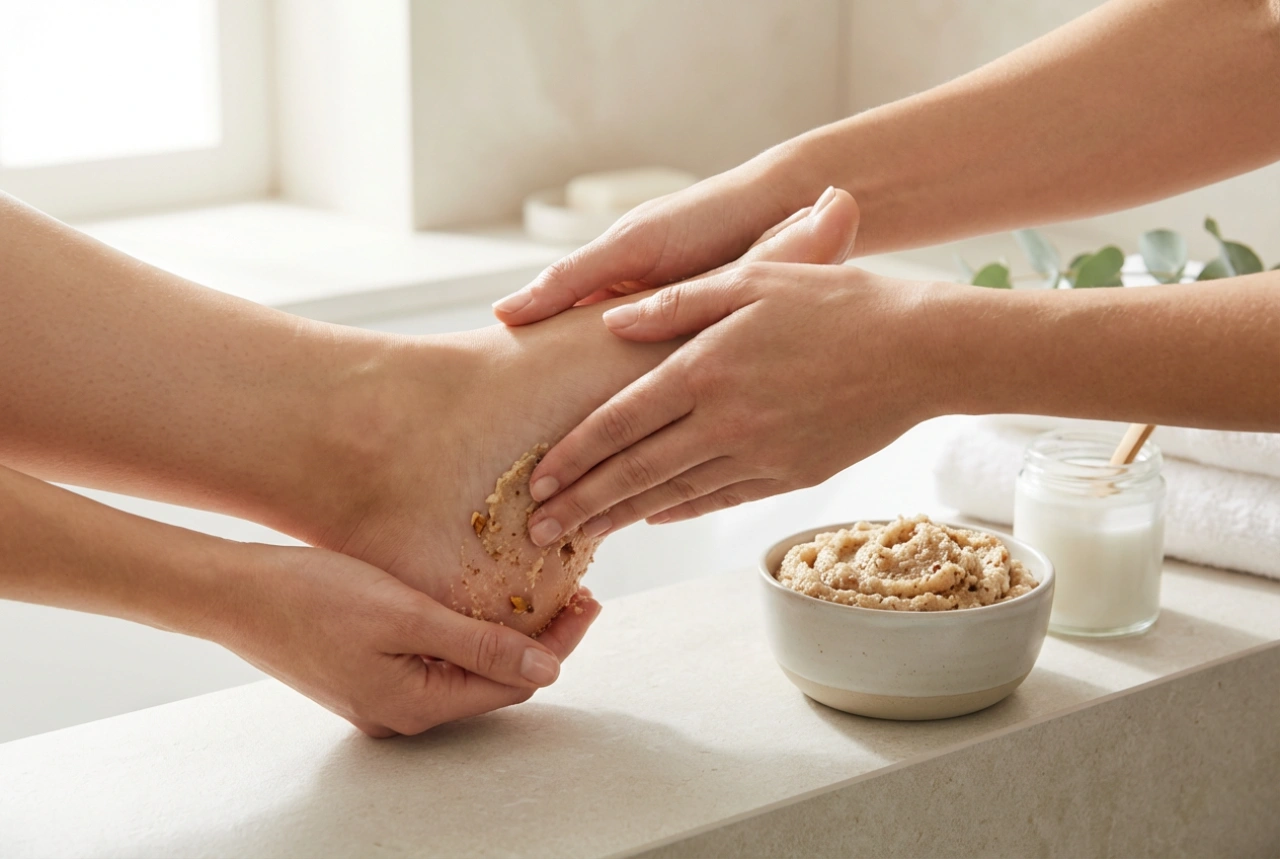
A day or two before you plan to shave, consider a gentle exfoliation. This helps to remove dead skin cells that can clog the razor blade or contribute to ingrown hairs. Use a mild body scrub or a soft washcloth and move in gentle, circular motions. Avoid harsh scrubbing, as this can create micro-tears in the skin, making it more susceptible to irritation during shaving. After exfoliating, ensure the skin is well-moisturised. On the day of shaving, simply cleanse the area with a mild, fragrance-free soap or body wash to ensure it is clean before you begin.
Choosing Your Tools: The Razor and Shaving Cream
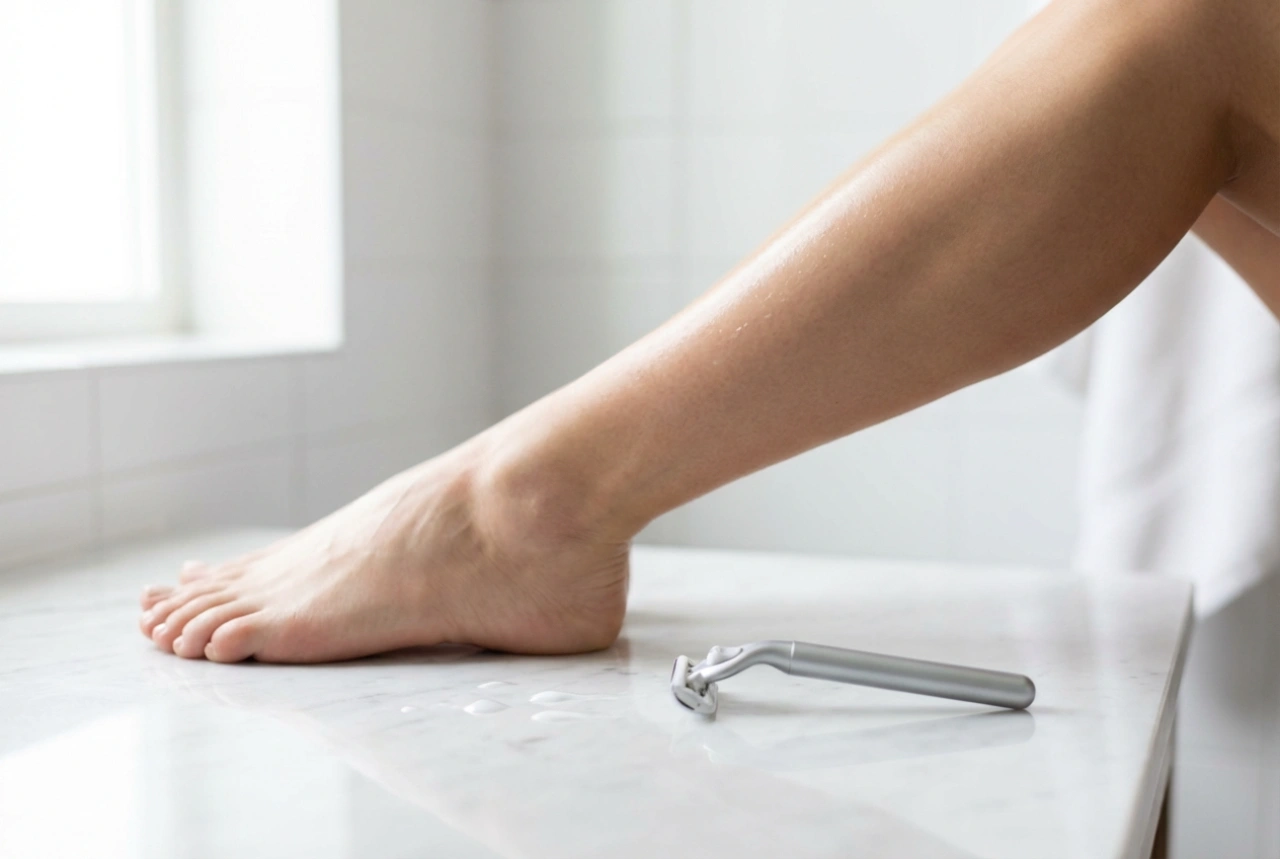
The tools you use are just as important as your technique. A dull, old, or dirty razor blade is one of the main culprits behind razor burn, bumps, and ingrown hairs. A dull blade tugs at the hair instead of cutting it cleanly, which irritates the follicle. Always use a sharp, clean razor. Whether you prefer a razor with a single blade or multiple blades is a matter of personal preference, but the key is that the blade must be sharp. Consider replacing your blade or disposable razor every few shaves to ensure optimal performance.
The Role of Shaving Lubricant
To protect your skin, always use a high-quality shaving lubricant. This creates a protective barrier between the blade and your skin, allowing the razor to glide smoothly rather than drag. Look for products specifically designed for sensitive skin, such as a hydrating shaving cream, gel, or oil. Avoid using regular bar soap, as it can be drying and doesn't provide enough slip, increasing the risk of nicks and irritation. Apply a generous layer to the entire area you intend to shave.
The Shaving Technique: Direction Matters
How you move the razor across your skin has a significant impact on the final result. The most important rule for preventing irritation and ingrown hairs is to initially shave in the direction of hair growth—often referred to as shaving 'with the grain'. This is the gentlest approach for the skin. Pull the skin taut with one hand to create a smooth, flat surface. This helps the razor cut the hair more effectively and reduces the risk of cutting the skin. Use light, steady strokes and let the sharp blade do the work. Do not apply excessive pressure, as this is a common cause of razor burn.
- Rinse the blade after every one or two strokes. This removes hair, skin cells, and shaving cream, preventing the blade from becoming clogged and ineffective.
- For a closer shave, you can re-lather the area and carefully shave 'against the grain' (in the opposite direction of hair growth). However, be aware that this increases the risk of irritation and ingrown hairs, especially if you have sensitive skin. If you are prone to bumps, it is best to stick to shaving with the grain only.
Post-Shave Care: Soothe and Protect
What you do after you put the razor down is critical for maintaining calm, smooth skin. Once you have finished shaving, rinse the area thoroughly with cool water. The cooler temperature helps to close the pores and soothe the skin. Gently pat the skin dry with a clean, soft towel. Avoid rubbing the area, as the friction can cause immediate irritation on freshly shaved, sensitive skin.
Moisturise and Breathe
Immediately after patting the skin dry, apply a soothing, alcohol-free moisturiser or aftershave balm. Look for ingredients like aloe vera, chamomile, or other calming agents that help to hydrate the skin and reduce any redness. Avoid any products containing alcohol or strong fragrances, as these can sting and dry out the delicate skin. For the next 24 hours, try to wear loose-fitting, breathable clothing made from natural fabrics like cotton. Tight clothing and synthetic materials can trap heat and sweat, creating friction and an environment where irritation can develop. Giving your skin room to breathe is the final step in ensuring a comfortable, bump-free result.