

That tight, uncomfortable, and sometimes sensitised feeling in your skin is a common experience, but it's often a sign of something specific: a compromised skin barrier. This invisible shield is the foundation of healthy, resilient skin, and learning how to care for it is the first step towards lasting comfort and a natural glow. The good news is that with a gentle approach and the right routine, you can effectively rebuild and strengthen your skin's protective barrier right at home.
What is the Skin Barrier and Why is It So Important?
Think of your skin's outermost layer like a well-built brick wall. The 'bricks' are your skin cells (corneocytes), and the 'mortar' holding them together is a complex mixture of natural fats, including ceramides, cholesterol, and fatty acids. This structure is known as the skin barrier, or lipid barrier.
It has two primary, crucial functions:
- It keeps the good things in: The barrier is essential for retaining water and vital nutrients within the skin, preventing dehydration and keeping it plump and supple.
- It keeps the bad things out: It acts as a protective shield against external aggressors like pollutants, irritants, and environmental stressors that can cause sensitivity and visible issues.
When this 'mortar' is depleted or damaged, cracks begin to form in the wall. This leads to a 'leaky' barrier, causing moisture to escape (a condition known as transepidermal water loss) and allowing irritants to penetrate more easily. The common signs of a compromised barrier include dryness, flakiness, a feeling of tightness, increased sensitivity, redness, and a dull appearance.
How We Unintentionally Damage Our Skin Barrier
Often, a damaged barrier is the result of a well-intentioned but overly aggressive skincare routine or exposure to certain environmental factors. Understanding the common culprits is key to preventing future damage.
Common Causes of a Compromised Barrier:
- Harsh Cleansing: Using cleansers with strong surfactants can strip the skin of its natural lipids, leaving it feeling 'squeaky clean' but actually weakened and vulnerable.
- Over-Exfoliation: While exfoliation is beneficial, doing it too frequently or using overly abrasive scrubs or potent chemical exfoliants can wear away the protective barrier faster than it can repair itself.
- Hot Water: Washing your face or showering in very hot water can dissolve the essential fats in your skin, contributing to dryness and irritation.
- Skipping Moisturiser: Failing to replenish moisture and lipids after cleansing leaves the barrier exposed and prone to dehydration.
- Environmental Stress: Exposure to harsh weather, such as cold winds and low humidity, as well as dry indoor heating or air conditioning, can draw moisture out of the skin.
A Step-by-Step Guide to Rebuilding Your Barrier
Restoring your skin's barrier is a process of going back to basics. It requires stripping your routine down to the essentials, focusing on gentle care, and giving your skin the ingredients it needs to repair itself. Patience and consistency are your most important tools.
Step 1: Cleanse Gently
Switch to a mild, hydrating cleanser with a creamy, milky, or gel-like texture that doesn't foam excessively. Wash your face with lukewarm water, use your fingertips to gently massage the cleanser onto your skin, and rinse thoroughly. Afterwards, pat your skin dry with a soft towel—never rub.
Step 2: Hydrate and Soothe
Applying products to slightly damp skin helps to lock in moisture. After cleansing, you can spritz your face with a simple thermal water mist or apply a hydrating toner or serum containing ingredients like hyaluronic acid or glycerin. This step isn't mandatory, but it provides an extra layer of hydration before you seal it in.
Step 3: The Role of a Deeply Moisturising Cream
This is the most critical step in barrier repair. A well-formulated moisturising cream acts as a substitute for your skin's depleted 'mortar', providing the building blocks it needs to rebuild. Apply a generous amount morning and night. Look for creams containing a combination of the following types of ingredients:
- Barrier-Mimicking Lipids: Ceramides are the star players here, as they make up a significant portion of the natural barrier. Cholesterol and fatty acids are also excellent.
- Humectants: These ingredients attract and bind water to the skin. Look for hyaluronic acid, glycerin, and panthenol.
- Emollients and Occlusives: These create a protective seal over the skin to prevent moisture from escaping. Shea butter, squalane, and other rich butters or oils are effective emollients that soften and smooth the skin.
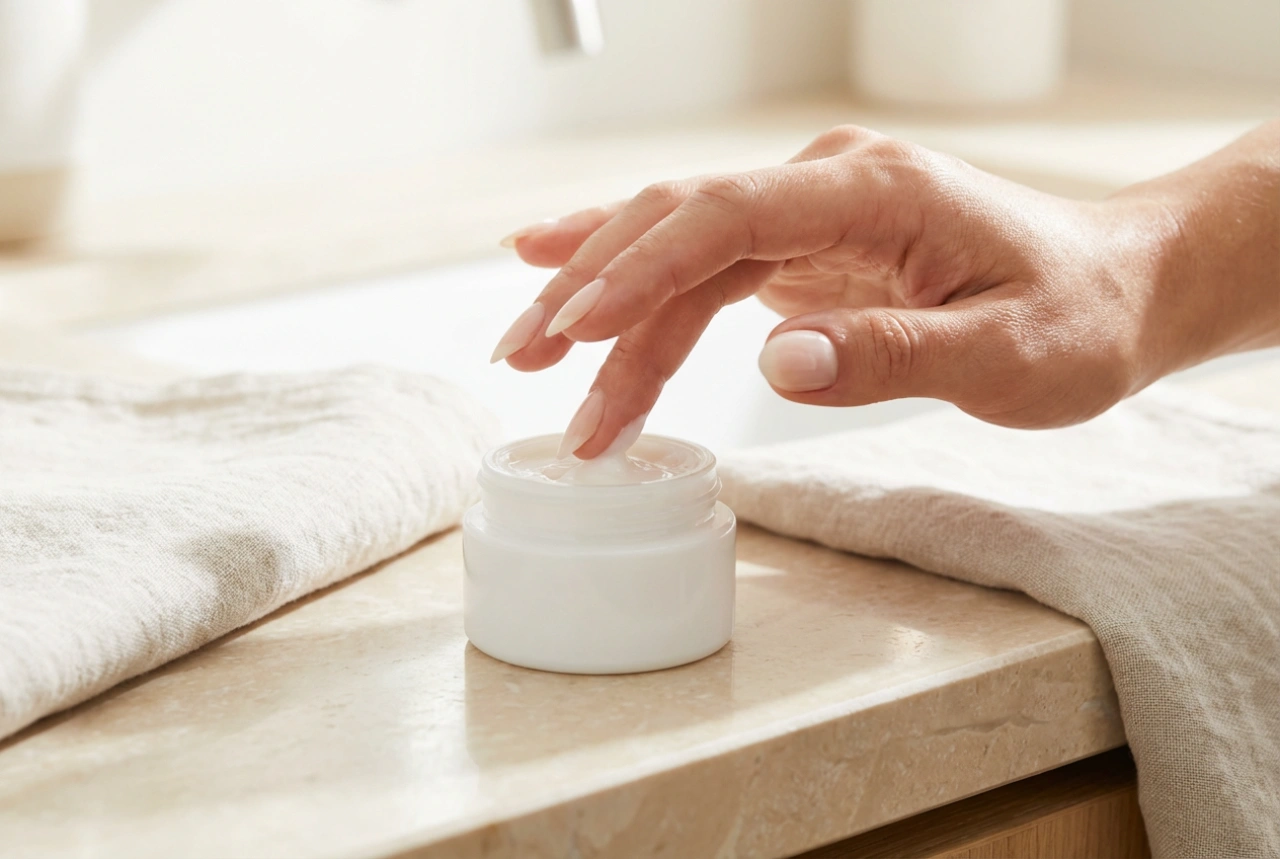
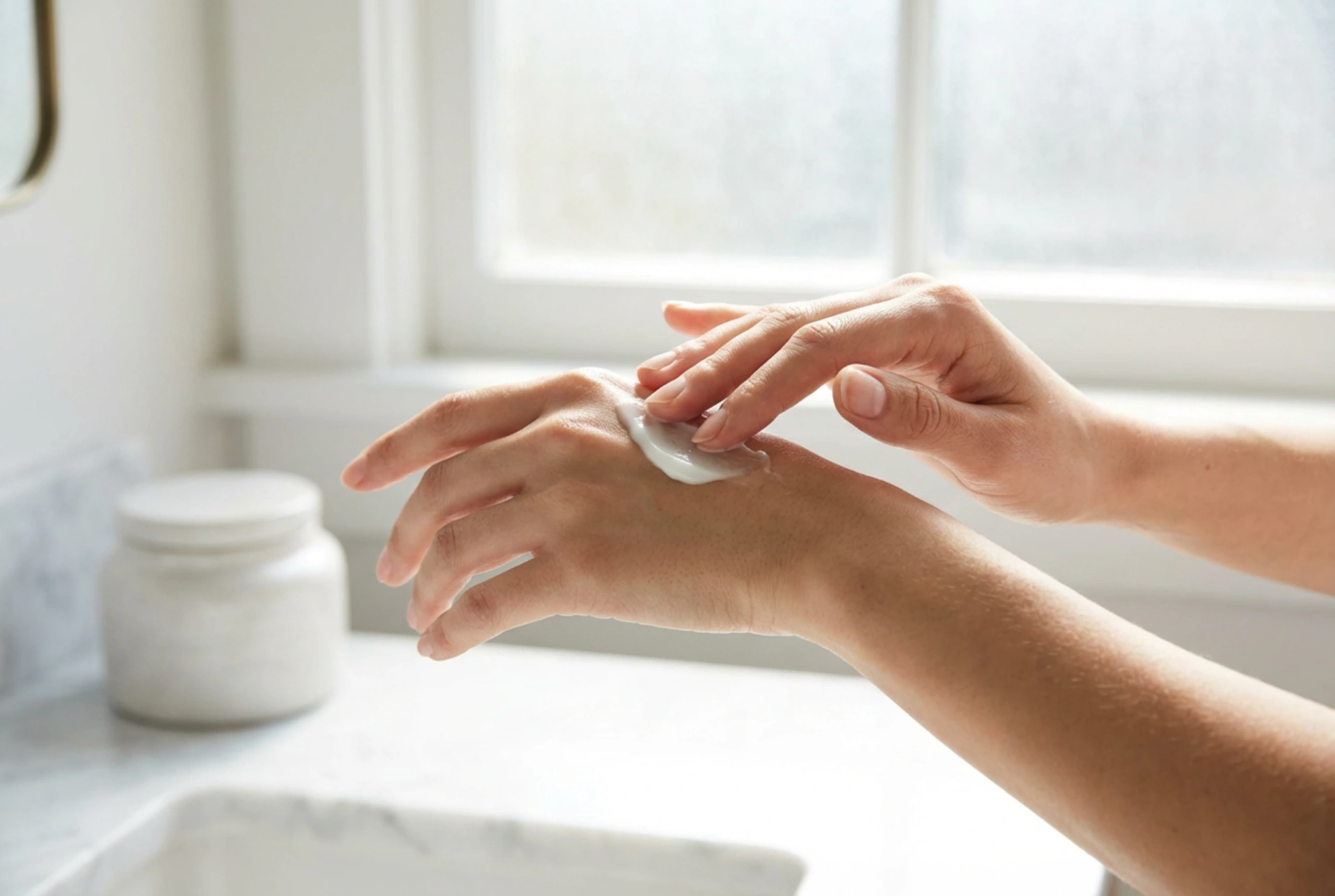
When applying, warm the cream between your fingertips and gently press or massage it into the skin on your face, neck, and even the backs of your hands, which are often neglected and exposed.
Step 4: Protect with Sunscreen
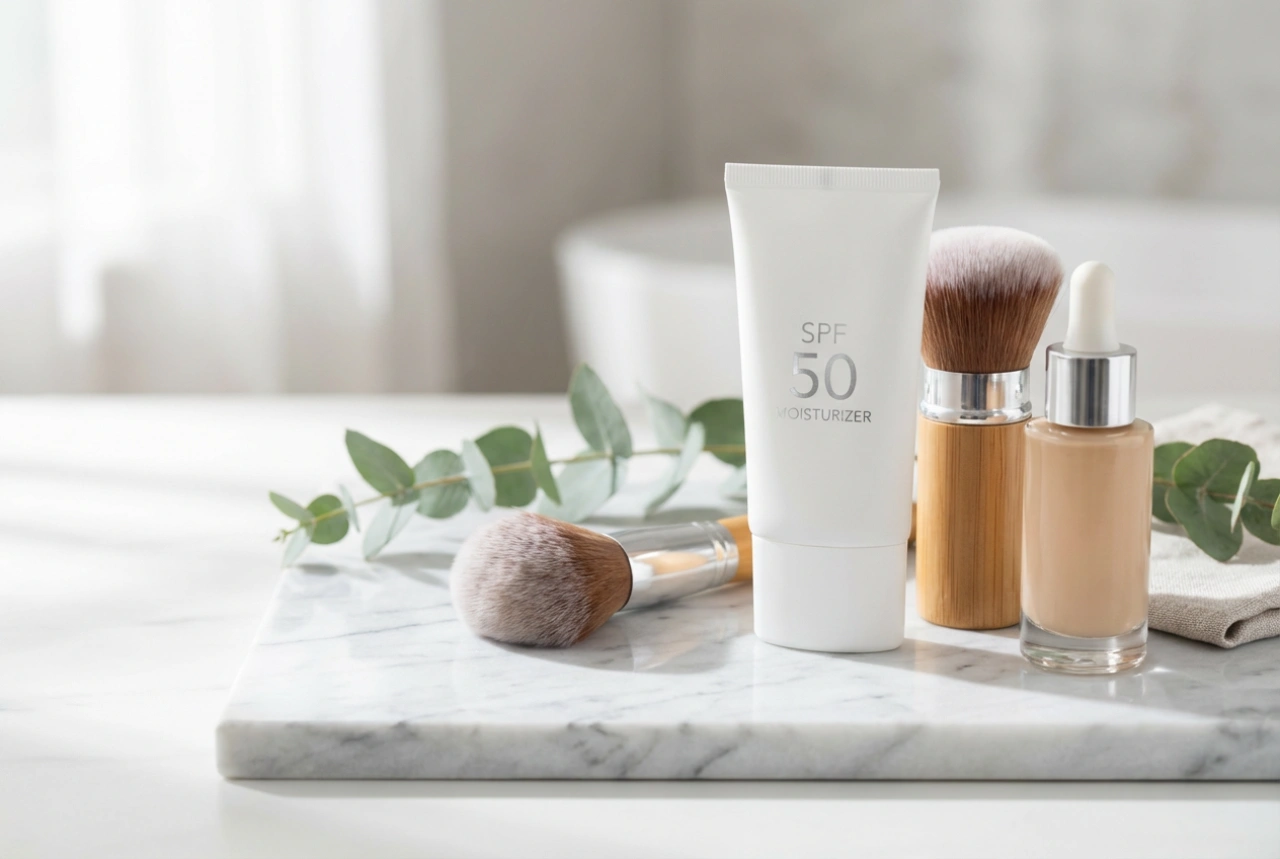
During the day, your final and non-negotiable step is to apply a broad-spectrum sunscreen with an SPF of 30 or higher. A compromised barrier is significantly more vulnerable to UV damage, which can hinder the repair process and cause further issues.
Mistakes to Avoid During Barrier Repair
While following the right steps is crucial, avoiding certain pitfalls is just as important for a successful recovery.
- Don't Be Impatient: It can take anywhere from two to six weeks, or sometimes longer, for the skin barrier to fully repair itself. Don't give up if you don't see results overnight.
- Pause Strong Actives: Temporarily stop using potent ingredients like retinoids, vitamin C serums, and strong exfoliating acids (AHA/BHA) until your skin feels calm, hydrated, and comfortable again.
- Avoid Physical Scrubs and Tools: Put away facial scrubs, brushes, and any harsh tools. Your skin needs gentle handling above all else.
- Listen to Your Skin: If a product stings or causes redness, stop using it. The goal is to calm and soothe, not to challenge your skin.
By focusing on this gentle, supportive routine, you empower your skin to do what it does best: protect itself. A healthy, functioning barrier is the true secret to a complexion that is not only beautiful but also comfortable, balanced, and resilient day after day.