

Achieving smooth, hair-free skin in the bikini area is a common beauty goal, offering a feeling of confidence and comfort. While there are many hair removal methods, waxing is a popular choice for its long-lasting results. Performing a bikini wax at home can be effective and straightforward, provided you follow the correct steps. Proper preparation, a solid technique, and dedicated aftercare are the three pillars of a successful and less uncomfortable experience, leading to beautifully smooth skin.
Preparing Your Skin for a Bikini Wax
The success of your wax is largely determined before you even apply the first strip. Taking the time to properly prepare the skin will not only make the process more effective but also significantly reduce discomfort and the risk of irritation. Neglecting this stage can lead to poor results and unnecessary skin stress.
Cleanse and Gently Exfoliate
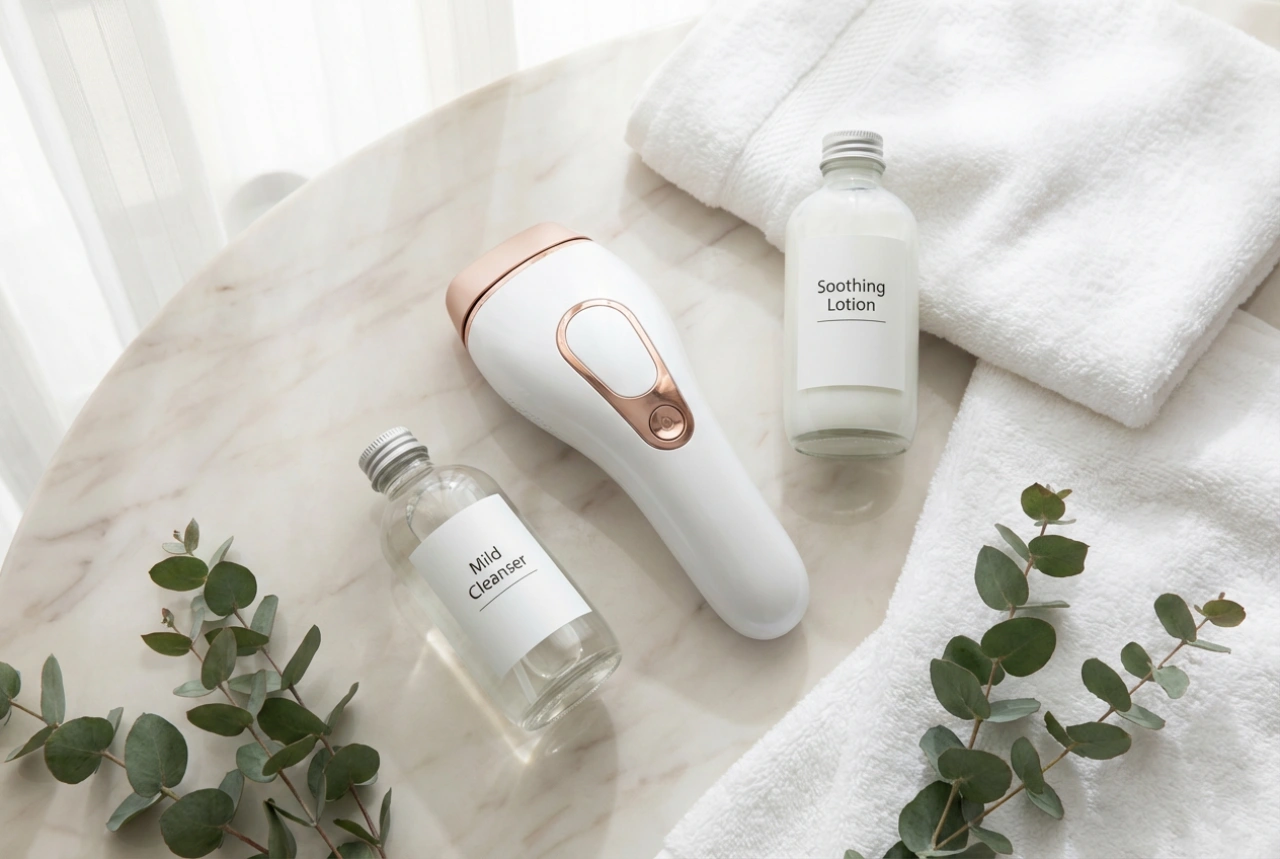
Start with clean skin. About 24 to 48 hours before you plan to wax, gently exfoliate the bikini area using a mild scrub or a soft brush. This helps to remove dead skin cells that can clog pores and trap hairs, which is a common cause of post-waxing bumps. Just before waxing, wash the area with a gentle, fragrance-free soap and warm water to remove any natural oils, sweat, or lotion residue. Pat the skin completely dry, as wax will not adhere properly to damp skin.
Ensure the Correct Hair Length
For the wax to effectively grip the hair, it needs to be the right length—ideally around 6 millimetres (about 1/4 inch). If your hair is too short, the wax won't be able to grab it, and the process will be ineffective. If it's too long (over 1.5 cm), the pull can be more painful and may lead to hair breakage instead of removal from the root. If necessary, use a pair of safety scissors or an electric trimmer to carefully trim the hair to the optimal length before you begin.
The Waxing Process: Technique is Key
The actual waxing requires focus and a steady hand, especially in such a sensitive area. It's always best to work in small, manageable sections rather than attempting to cover a large area at once. This gives you more control and generally makes the experience less intense.
Applying the Wax
Whether using hard wax or soft wax with strips, the application principle is the same. Using an applicator, apply a thin, even layer of wax in the same direction that your hair grows. Press down firmly to ensure the wax has coated all the hairs in the section. If using soft wax, place the fabric strip over the wax immediately, leaving a small 'tab' at the end that isn't attached to waxed skin, which you will use to pull.
The Removal Technique
This is the most critical step. Hold the skin taut with one hand to provide a stable surface and minimise pulling on the skin itself. With your other hand, grip the end of the wax strip or the edge of the hard wax. In one quick, fluid motion, pull the strip off in the opposite direction of hair growth. It is vital to pull parallel to the skin, not straight up and away from it. Pulling upwards increases the chance of bruising and hair breakage. Repeat this process in small sections until you have removed all the desired hair.
Essential Aftercare for Smooth Results
What you do after waxing is just as important as the preparation and the process itself. Proper aftercare helps to soothe the skin, prevent irritation, and maintain your smooth results for longer. The skin will be sensitive, so treating it gently is paramount.
Immediate Soothing and Cleansing
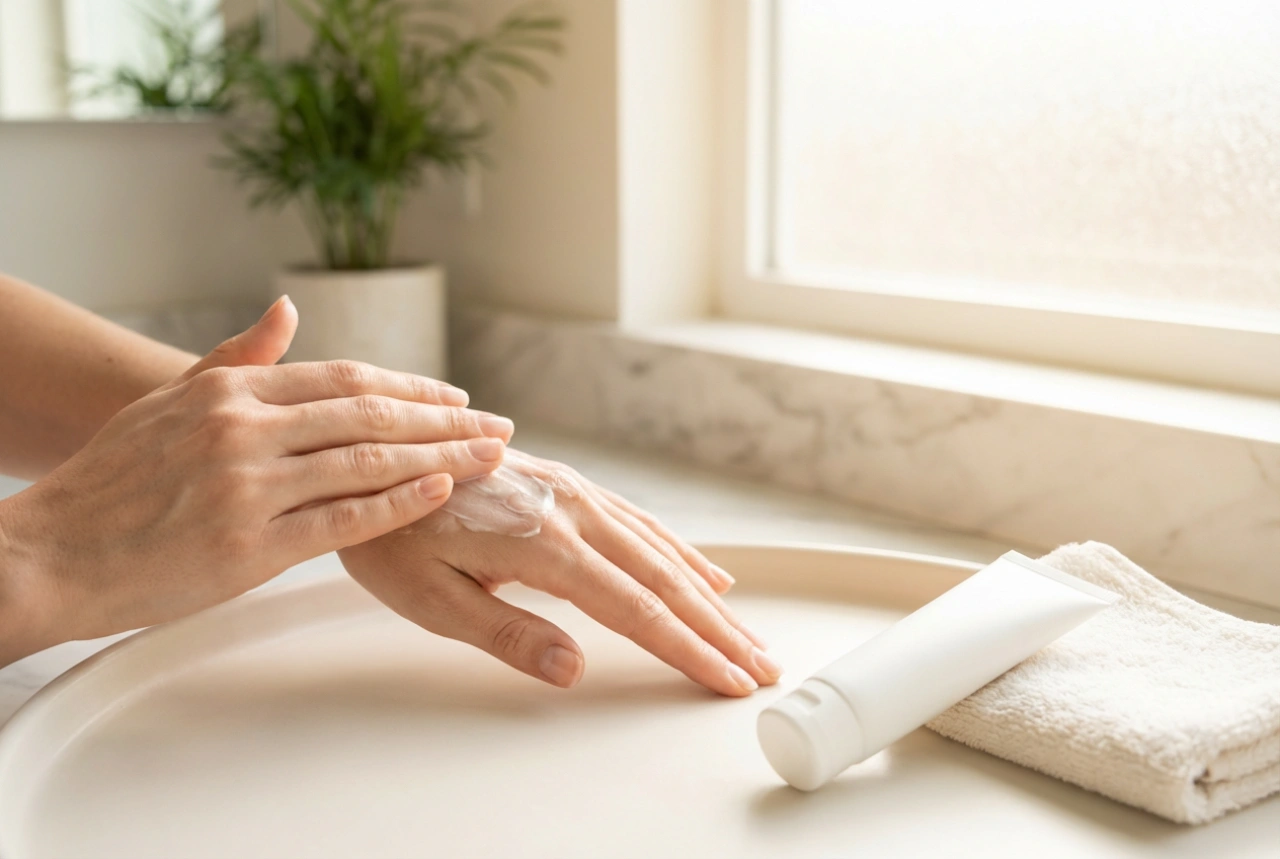
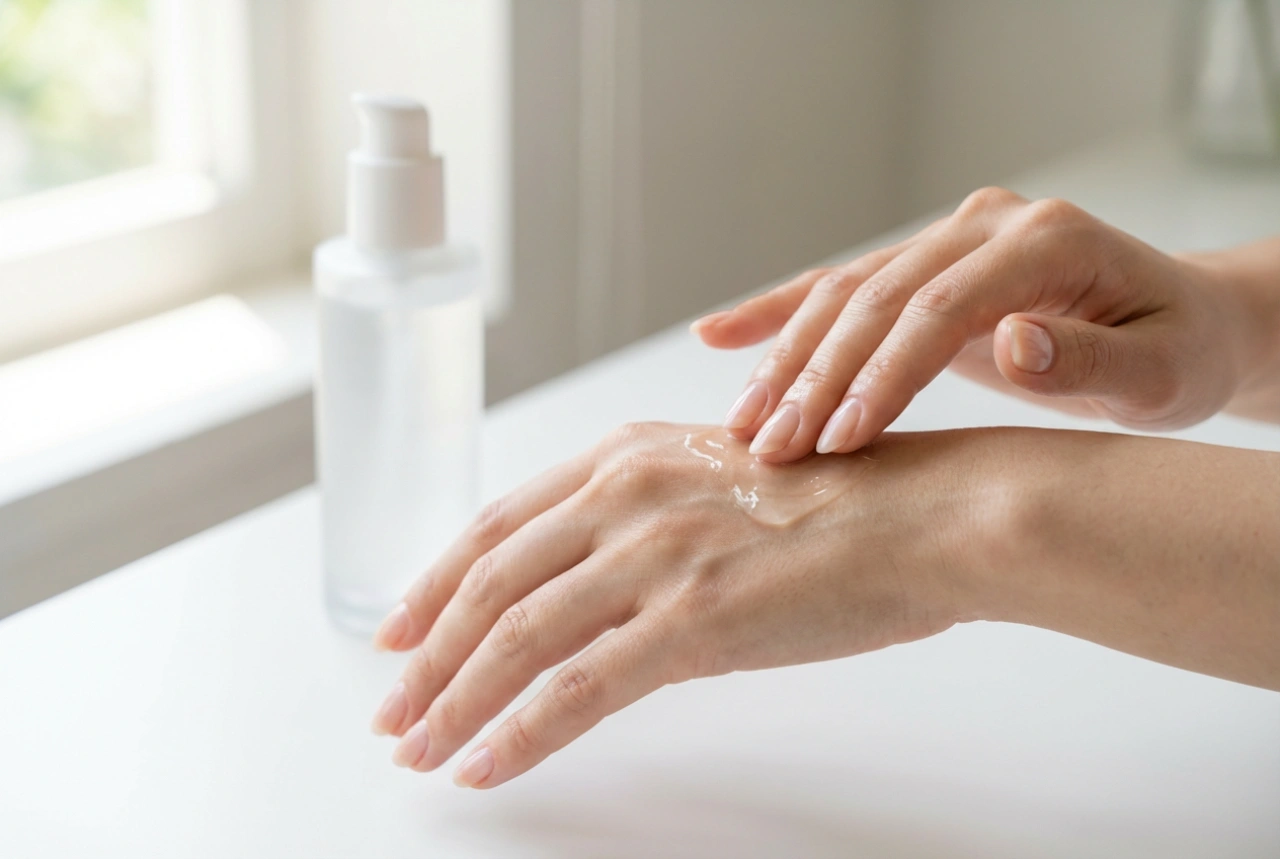
After you've finished waxing, there may be some sticky residue left on your skin. Use a specially formulated post-wax oil or a natural oil (like coconut or almond oil) to gently dissolve and wipe away any remaining wax. Avoid using water or soap, as this won't be effective. Afterwards, apply a calming, alcohol-free lotion, a pure aloe vera gel, or a cold compress to the area to help reduce redness and soothe any immediate irritation.
What to Avoid for 24-48 Hours
For the first day or two after your wax, the skin follicles will be open and vulnerable. To prevent irritation or potential minor infections, it's important to avoid certain activities. This includes:
- Hot baths, saunas, and steam rooms
- Swimming in chlorinated pools or the sea
- Wearing tight or non-breathable clothing
- Using perfumed lotions, creams, or body sprays on the area
- Intense exercise that causes excessive sweating
Preventing Ingrown Hairs
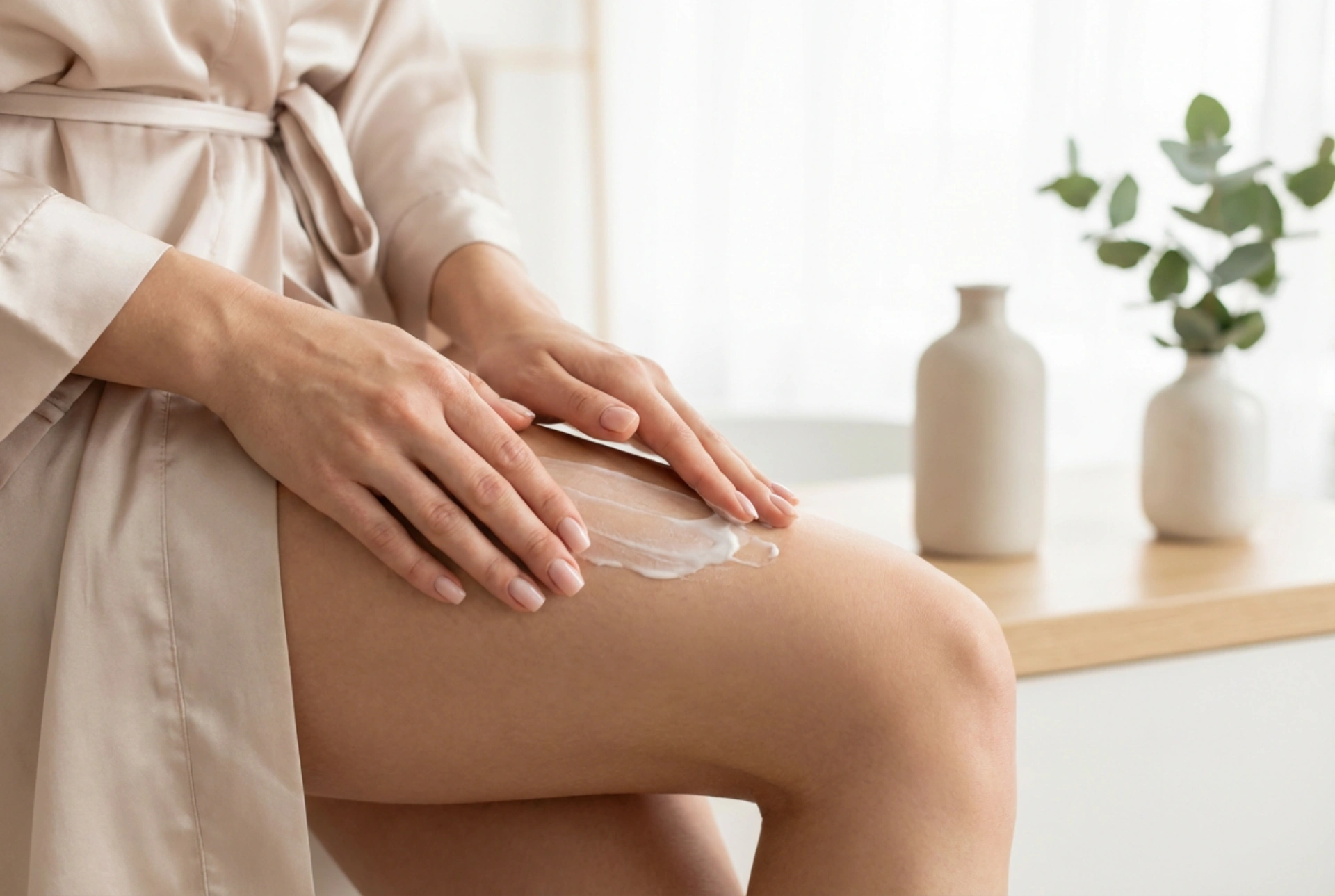
A few days after waxing, you can begin a routine to prevent ingrown hairs. Start gently exfoliating the area two to three times a week. This helps to keep the skin surface clear of dead cells, allowing new hairs to grow through without becoming trapped. Keeping the skin moisturised daily with a lightweight, non-comedogenic lotion will also help maintain skin health and flexibility, further reducing the likelihood of ingrown hairs.